
Species profile
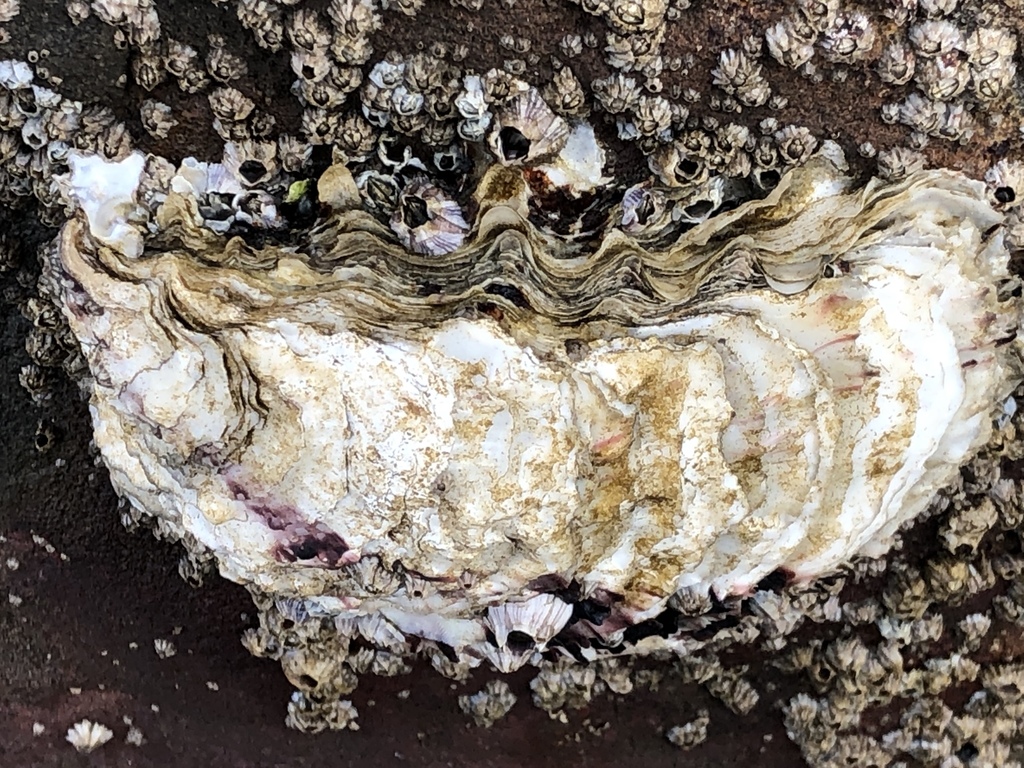
Pacific Oyster
Magallana gigas
Identify Pacific Oyster (Magallana gigas) from a photo: try it free in your browser, or get unlimited IDs, no sign-up, with the CatchRules app. Plus current fishing rules across 11 jurisdictions.
At a glance
Pacific Oyster (Magallana gigas) is a bivalve mollusk regulated in 16 of 66 jurisdictions tracked by CatchRules across the U.S. and Canada.
The strictest bag limit is 0.5 (New York); the most generous is 100 (Alabama).
Across 8 jurisdictions with stated minimum sizes, the average minimum is 2.6 in.
Confirmed by 2,978 research-grade iNaturalist observations, with British Columbia, California, and Washington the top jurisdictions by observation count.
Notable details
- The world's most widely farmed oyster, now cultivated on six continents.
- Can reach 30 cm (12 inches) in length, larger than almost any other oyster species.
- Changes sex during its lifetime, typically starting as male and later maturing into female.
- Native to the Pacific coasts of Japan and Asia, introduced worldwide for aquaculture.
- Filters phytoplankton from the water as it feeds, measurably improving clarity in bays and estuaries.
Where Pacific Oyster are seen
Jurisdictions with rules for Pacific Oyster
Background
The Pacific oyster, Japanese oyster or Miyagi oyster (Magallana gigas) (previously Crassostrea gigas), is an oyster native to the Pacific coast of Asia. It has become an introduced species in North America, Australia, Europe, and New Zealand.
Background excerpt adapted from Wikipedia's Pacific Oyster article (CC BY-SA). Visit Wikipedia for the full entry.
Other clams/oysters/mussels on CatchRules
Frequently asked questions
What is Pacific Oyster?
Pacific Oyster (Magallana gigas) is a bivalve mollusk regulated in 16 of 66 jurisdictions tracked by CatchRules across the U.S. and Canada.
What is the scientific name for Pacific Oyster?
Pacific Oyster is Magallana gigas.
Is Pacific Oyster regulated for fishing?
Yes — Pacific Oyster has fishing regulations in 11 U.S. states and/or Canadian provinces tracked by CatchRules. See the "Jurisdictions with rules" section above for the binding-source links.
How can I identify Pacific Oyster?
Take a photo with the free CatchRules app for iPhone or Android — on-device identification recognizes Pacific Oyster along with ~1,500 other species. No sign-up, unlimited use.
Photo credit: iNaturalist / Wikipedia. Identification reference only — verify regulations with the issuing wildlife agency before retaining a catch.