
Species profile
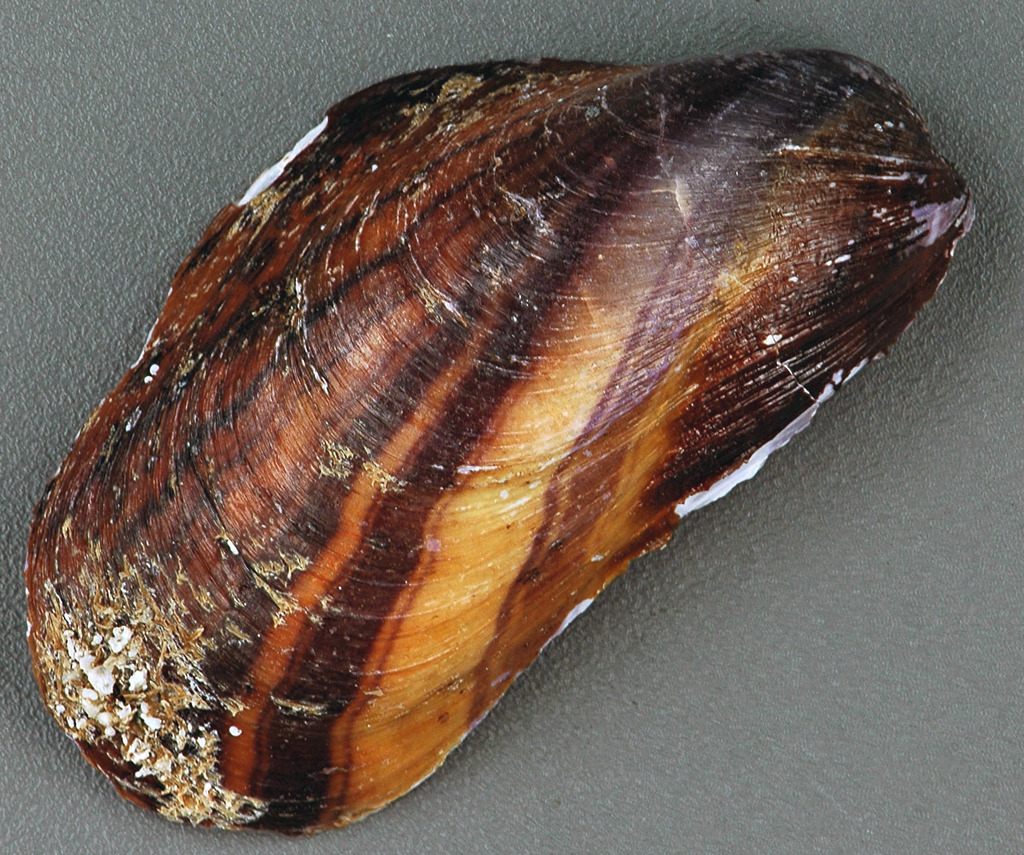
Northern Horse Mussel
Modiolus modiolus
Identify Northern Horse Mussel (Modiolus modiolus) from a photo: try it free in your browser, or get unlimited IDs, no sign-up, with the CatchRules app.
At a glance
Northern Horse Mussel (Modiolus modiolus) is a bivalve mollusk present across the CatchRules coverage area but without species-specific bag, size, or season rules tracked in our regulatory dataset.
Confirmed by 1,817 research-grade iNaturalist observations, with Nova Scotia, Maine, and Massachusetts the top jurisdictions by observation count.
Notable details
- Can grow to 20 cm (8 inches) — significantly larger than the familiar blue mussel.
- Lives in cold waters on both sides of the North Atlantic and North Pacific.
- Can survive over 25 years, far outliving most other mussel species.
- Has a thick, fibrous outer shell coating called a periostracum that cushions it from wave impact.
- Forms dense beds that provide shelter and habitat for hundreds of invertebrate species.
Where Northern Horse Mussel are seen
Background
Modiolus modiolus, common name northern horsemussel, is a species of marine bivalve mollusk in the family Mytilidae.
Background excerpt adapted from Wikipedia's Northern Horse Mussel article (CC BY-SA). Visit Wikipedia for the full entry.
Frequently asked questions
What is Northern Horse Mussel?
Northern Horse Mussel (Modiolus modiolus) is a bivalve mollusk present across the CatchRules coverage area but without species-specific bag, size, or season rules tracked in our regulatory dataset.
What is the scientific name for Northern Horse Mussel?
Northern Horse Mussel is Modiolus modiolus.
Are there fishing rules for Northern Horse Mussel?
Northern Horse Mussel does not currently have published fishing rules in CatchRules' curated jurisdictions. Identification, range, and habitat are still tracked above.
How can I identify Northern Horse Mussel?
Take a photo with the free CatchRules app for iPhone or Android — on-device identification recognizes Northern Horse Mussel along with ~1,500 other species. No sign-up, unlimited use.
Photo credit: iNaturalist / Wikipedia. Identification reference only — verify regulations with the issuing wildlife agency before retaining a catch.