
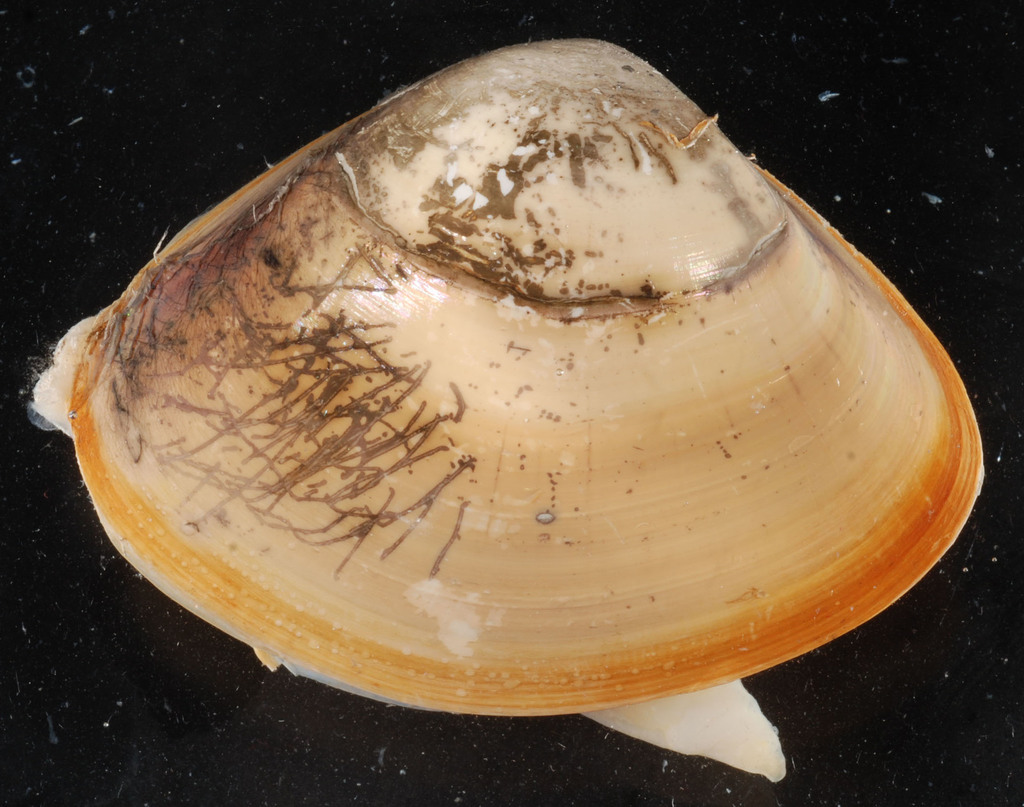
Species profile
West Atlantic Surfclam
Spisula solidissima
Identify West Atlantic Surfclam (Spisula solidissima) from a photo: try it free in your browser, or get unlimited IDs, no sign-up, with the CatchRules app. Plus current fishing rules across 3 jurisdictions.
At a glance
West Atlantic Surfclam (Spisula solidissima) is a bivalve mollusk regulated in 6 of 66 jurisdictions tracked by CatchRules across the U.S. and Canada.
The strictest bag limit is 1 (New York); the most generous is 300 (Nova Scotia).
Across 5 jurisdictions with stated minimum sizes, the average minimum is 3.6 in.
Confirmed by 6,076 research-grade iNaturalist observations, with Massachusetts, Nova Scotia, and New Jersey the top jurisdictions by observation count.
Notable details
- One of North America's largest bivalves, reaching shell lengths of up to 7 inches (18 cm).
- The most commercially harvested clam by volume on the US East Coast, used for chowder and fried strips.
- Found from Nova Scotia to South Carolina on sandy offshore bottoms.
- Can live up to about 35 years in cold Atlantic waters.
- Spawns by releasing millions of eggs and sperm directly into the water column.
Where West Atlantic Surfclam are seen
Jurisdictions with rules for West Atlantic Surfclam
Background
The Atlantic surf clam (Spisula solidissima), also called the bar clam, hen clam, skimmer, or simply sea clam, is a very large, edible, saltwater clam or marine bivalve mollusk in the family Mactridae. It is commonly found in the western Atlantic Ocean. Reaching up to 20 centimetres (7.9 in) or more in length, it is much larger than the related surf clam, which resides in the eastern Atlantic…
Background excerpt adapted from Wikipedia's West Atlantic Surfclam article (CC BY-SA). Visit Wikipedia for the full entry.
Other clams/oysters/mussels on CatchRules
Frequently asked questions
What is West Atlantic Surfclam?
West Atlantic Surfclam (Spisula solidissima) is a bivalve mollusk regulated in 6 of 66 jurisdictions tracked by CatchRules across the U.S. and Canada.
What is the scientific name for West Atlantic Surfclam?
West Atlantic Surfclam is Spisula solidissima.
Is West Atlantic Surfclam regulated for fishing?
Yes — West Atlantic Surfclam has fishing regulations in 3 U.S. states and/or Canadian provinces tracked by CatchRules. See the "Jurisdictions with rules" section above for the binding-source links.
How can I identify West Atlantic Surfclam?
Take a photo with the free CatchRules app for iPhone or Android — on-device identification recognizes West Atlantic Surfclam along with ~1,500 other species. No sign-up, unlimited use.
Photo credit: iNaturalist / Wikipedia. Identification reference only — verify regulations with the issuing wildlife agency before retaining a catch.