
Species profile
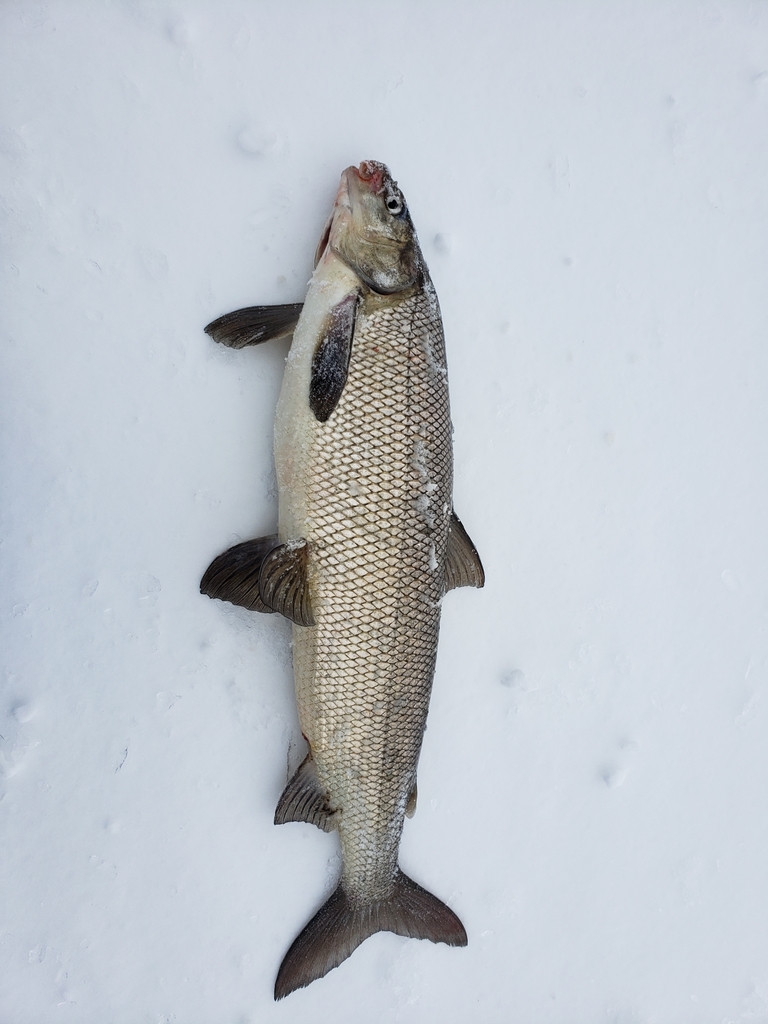
Lake Whitefish
Coregonus clupeaformis
Identify Lake Whitefish (Coregonus clupeaformis) from a photo: try it free in your browser, or get unlimited IDs, no sign-up, with the CatchRules app. Plus current fishing rules across 23 jurisdictions.
At a glance
Lake Whitefish (Coregonus clupeaformis) is a bony-fish species regulated in 26 of 66 jurisdictions tracked by CatchRules across the U.S. and Canada.
The strictest bag limit is 1 (Maine); the most generous is 150 (Quebec).
Across 3 jurisdictions with stated minimum sizes, the average minimum is 12.1 in.
Confirmed by 309 research-grade iNaturalist observations, with Ontario, Alberta, and Michigan the top jurisdictions by observation count.
Notable details
- One of the Great Lakes' most commercially important fish, prized for its mild flavor.
- Typically weighs 2–4 pounds but can exceed 15 pounds in large lakes.
- Spawns in late fall over shallow rocky shoals as water temperatures drop near freezing.
- Can live over 25 years in cold northern lakes.
- Feeds heavily on tiny bottom-dwelling crustaceans called amphipods.
Where Lake Whitefish are seen
Jurisdictions with rules for Lake Whitefish
Background
The lake whitefish (Coregonus clupeaformis) is a species of freshwater whitefish from North America. Lake whitefish are found throughout much of Canada and parts of the northern United States, including all of the Great Lakes. The lake whitefish is sometimes referred to as a "humpback" fish due to the small size of the head in relation to the length of the body. It is a valuable commercial fish,…
Background excerpt adapted from Wikipedia's Lake Whitefish article (CC BY-SA). Visit Wikipedia for the full entry.
Other bony fish on CatchRules
Frequently asked questions
What is Lake Whitefish?
Lake Whitefish (Coregonus clupeaformis) is a bony-fish species regulated in 26 of 66 jurisdictions tracked by CatchRules across the U.S. and Canada.
What is the scientific name for Lake Whitefish?
Lake Whitefish is Coregonus clupeaformis.
Is Lake Whitefish regulated for fishing?
Yes — Lake Whitefish has fishing regulations in 23 U.S. states and/or Canadian provinces tracked by CatchRules. See the "Jurisdictions with rules" section above for the binding-source links.
How can I identify Lake Whitefish?
Take a photo with the free CatchRules app for iPhone or Android — on-device identification recognizes Lake Whitefish along with ~1,500 other species. No sign-up, unlimited use.
Photo credit: iNaturalist / Wikipedia. Identification reference only — verify regulations with the issuing wildlife agency before retaining a catch.