
Species profile
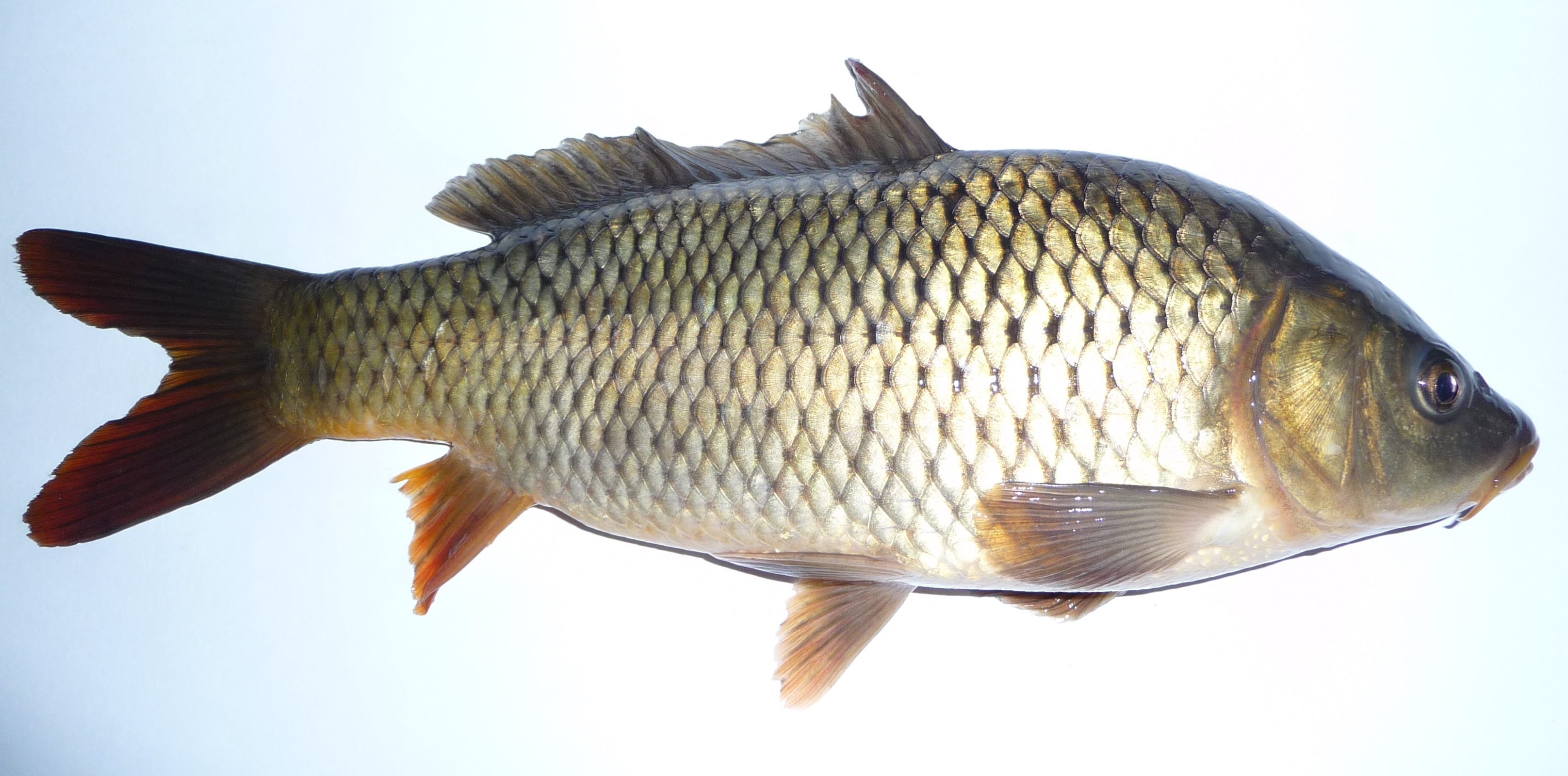
European Carp
Cyprinus carpio
Identify European Carp (Cyprinus carpio) from a photo: try it free in your browser, or get unlimited IDs, no sign-up, with the CatchRules app. Plus current fishing rules across 22 jurisdictions.
At a glance
European Carp (Cyprinus carpio) is an IUCN Least Concern bony-fish species regulated in 26 of 66 jurisdictions tracked by CatchRules across the U.S. and Canada.
The strictest bag limit is 1 (Connecticut); the most generous is 100 (Missouri).
Confirmed by 12,831 research-grade iNaturalist observations, with California, Ontario, and Texas the top jurisdictions by observation count.
Notable details
- European carp can live more than 20 years and in some cases weigh over 80 pounds.
- Originally native to Asia, they were introduced to Europe and then North America centuries ago.
- Carp stir up bottom sediment while feeding, clouding the water and damaging aquatic plant beds.
- Two pairs of barbels — sensory organs around the mouth — help them locate food on the bottom.
- They are listed among the world's 100 worst invasive species by the IUCN.
Where European Carp are seen
Jurisdictions with rules for European Carp
Background
The common carp, also known as European carp, Eurasian carp, or simply carp, is a widespread freshwater fish of eutrophic waters in lakes and large rivers in Europe and Asia. The native wild populations are considered vulnerable to extinction by the International Union for Conservation of Nature (IUCN), but the species has also been domesticated and introduced into environments worldwide, and is…
Background excerpt adapted from Wikipedia's European Carp article (CC BY-SA). Visit Wikipedia for the full entry.
Other bony fish on CatchRules
Frequently asked questions
What is European Carp?
European Carp (Cyprinus carpio) is an IUCN Least Concern bony-fish species regulated in 26 of 66 jurisdictions tracked by CatchRules across the U.S. and Canada.
What is the scientific name for European Carp?
European Carp is Cyprinus carpio.
Is European Carp regulated for fishing?
Yes — European Carp has fishing regulations in 22 U.S. states and/or Canadian provinces tracked by CatchRules. See the "Jurisdictions with rules" section above for the binding-source links.
How can I identify European Carp?
Take a photo with the free CatchRules app for iPhone or Android — on-device identification recognizes European Carp along with ~1,500 other species. No sign-up, unlimited use.
Photo credit: iNaturalist / Wikipedia. Identification reference only — verify regulations with the issuing wildlife agency before retaining a catch.