
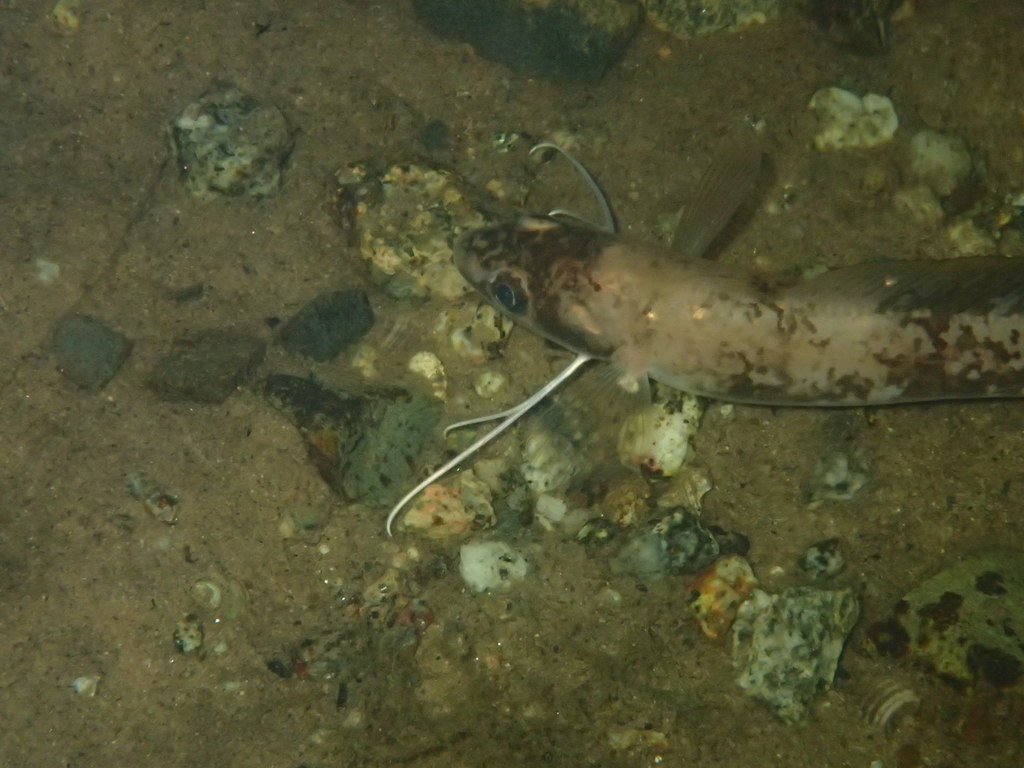
Species profile
Hake
Urophycis chuss
Identify Hake (Urophycis chuss) from a photo: try it free in your browser, or get unlimited IDs, no sign-up, with the CatchRules app. Plus current fishing rules across 1 jurisdiction.
At a glance
Hake (Urophycis chuss) is a bony-fish species with specific harvest rules tracked in 1 of 66 jurisdictions covered by CatchRules.
Confirmed by 72 research-grade iNaturalist observations, with New York, New Jersey, and New Brunswick the top jurisdictions by observation count.
Notable details
- Juvenile red hake are famous for sheltering inside the mantle cavities of living sea scallops.
- Typically reaches about 50 cm; rarely grows much larger despite its cod-family lineage.
- Found from Nova Scotia to Cape Hatteras on soft, muddy western Atlantic seafloors.
- A cod relative with mild, flaky white flesh well-suited to simple pan or oven preparations.
- Can descend to around 500 meters to seek cooler water during summer months.
Where Hake are seen
Jurisdictions with rules for Hake
Background
The red hake or squirrel hake, Urophycis chuss, is a phycid hake of the genus Urophycis, found in the Atlantic Ocean at depths between 10 and 500 m. It grows to about 30 in (75 cm) and 7 lb (3.2 kg). Red hake are edible, and are sought out by recreational fisherman as a gamefish.
Background excerpt adapted from Wikipedia's Hake article (CC BY-SA). Visit Wikipedia for the full entry.
Other bony fish on CatchRules
Frequently asked questions
What is Hake?
Hake (Urophycis chuss) is a bony-fish species with specific harvest rules tracked in 1 of 66 jurisdictions covered by CatchRules.
What is the scientific name for Hake?
Hake is Urophycis chuss.
Is Hake regulated for fishing?
Yes — Hake has fishing regulations in 1 U.S. state and/or Canadian province tracked by CatchRules. See the "Jurisdictions with rules" section above for the binding-source links.
How can I identify Hake?
Take a photo with the free CatchRules app for iPhone or Android — on-device identification recognizes Hake along with ~1,500 other species. No sign-up, unlimited use.
Photo credit: iNaturalist / Wikipedia. Identification reference only — verify regulations with the issuing wildlife agency before retaining a catch.