
Species profile
Coney
Cephalopholis fulva
Identify Coney (Cephalopholis fulva) from a photo: try it free in your browser, or get unlimited IDs, no sign-up, with the CatchRules app. Plus current fishing rules across 1 jurisdiction.
At a glance
Coney (Cephalopholis fulva) is an IUCN Least Concern bony-fish species with specific harvest rules tracked in 1 of 66 jurisdictions covered by CatchRules.
Confirmed by 6 research-grade iNaturalist observations across the species' range.
Notable details
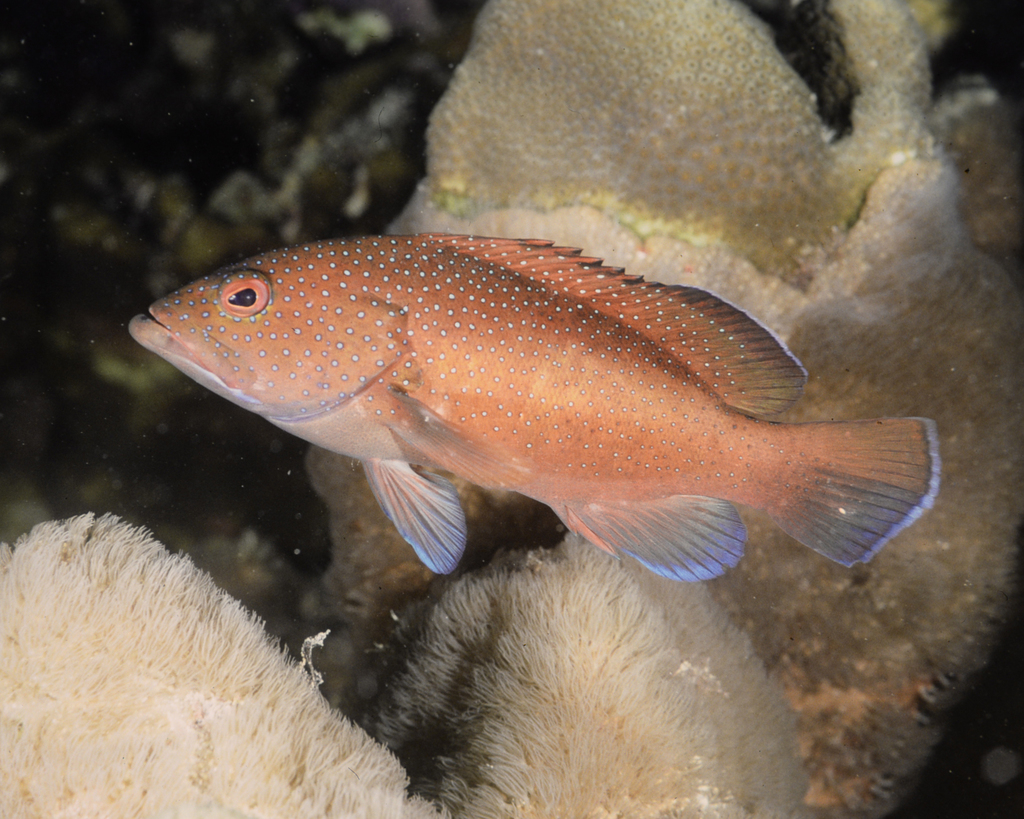
- Displays multiple color phases — individuals can appear solid yellow, bicolor, or brown-red.
- Has dark spots at the corners of the mouth and near the base of the tail.
- A protogynous hermaphrodite that can change from female to male.
- One of the smallest groupers on Caribbean reefs, typically under 12 inches.
- Hunts small fish and crustaceans, often striking from a motionless ambush position.
Where Coney are seen
Jurisdictions with rules for Coney
Background
Cephalopholis fulva is a species of grouper from the Western Atlantic that occasionally makes its way into the aquarium trade. It grows to a total length of 41cm .
Background excerpt adapted from Wikipedia's Coney article (CC BY-SA). Visit Wikipedia for the full entry.
Other bony fish on CatchRules
Frequently asked questions
What is Coney?
Coney (Cephalopholis fulva) is an IUCN Least Concern bony-fish species with specific harvest rules tracked in 1 of 66 jurisdictions covered by CatchRules.
What is the scientific name for Coney?
Coney is Cephalopholis fulva.
Is Coney regulated for fishing?
Yes — Coney has fishing regulations in 1 U.S. state and/or Canadian province tracked by CatchRules. See the "Jurisdictions with rules" section above for the binding-source links.
How can I identify Coney?
Take a photo with the free CatchRules app for iPhone or Android — on-device identification recognizes Coney along with ~1,500 other species. No sign-up, unlimited use.
Photo credit: iNaturalist / Wikipedia. Identification reference only — verify regulations with the issuing wildlife agency before retaining a catch.