
Species profile
Chum Salmon
Oncorhynchus keta
Identify Chum Salmon (Oncorhynchus keta) from a photo: try it free in your browser, or get unlimited IDs, no sign-up, with the CatchRules app. Plus current fishing rules across 17 jurisdictions.
At a glance
Chum Salmon (Oncorhynchus keta) is a bony-fish species regulated in 16 of 66 jurisdictions tracked by CatchRules across the U.S. and Canada.
The strictest bag limit is 1 (Utah); the most generous is 250 (Alaska).
Across 7 jurisdictions with stated minimum sizes, the average minimum is 12.7 in.
Confirmed by 2,638 research-grade iNaturalist observations, with British Columbia, Washington, and Alaska the top jurisdictions by observation count.
Listed under the U.S. Endangered Species Act — verify protected-species rules with the issuing agency before retaining or handling.
Notable details
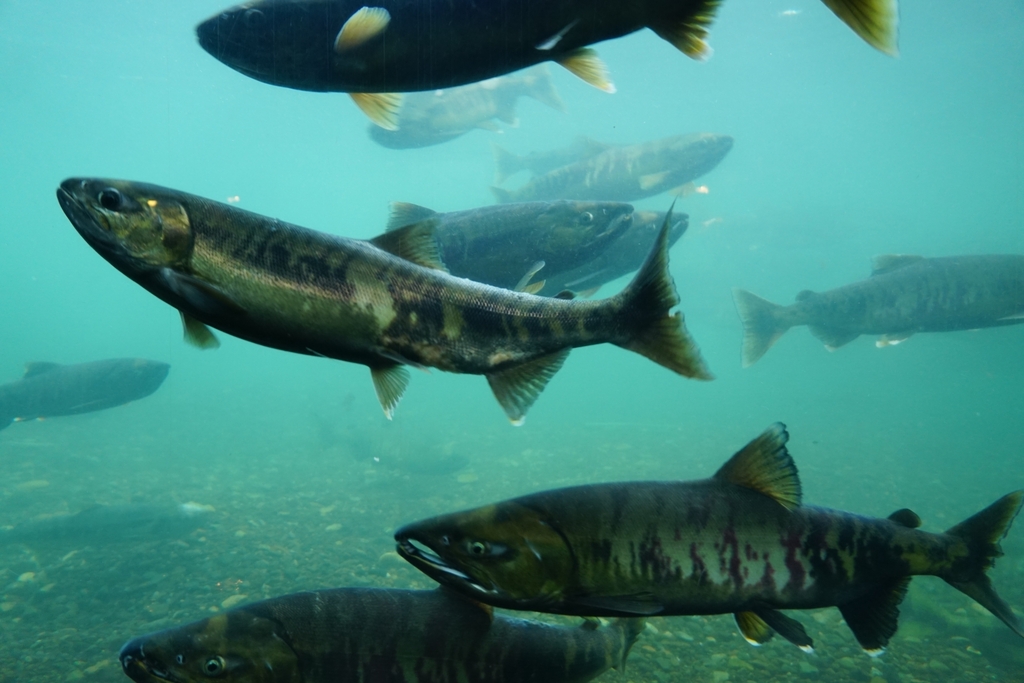
- Spawning males develop large, fang-like teeth, earning chum salmon the nickname 'dog salmon.'
- They have the widest geographic range of any Pacific salmon, extending into Arctic waters.
- Chum typically spawn in the lower reaches of rivers, often within a few miles of saltwater.
- Spawning males display vivid purple-and-green tiger stripes along their sides.
- Chum can weigh up to 35 lbs, making them among the largest Pacific salmon species.
Where Chum Salmon are seen
Jurisdictions with rules for Chum Salmon
Protected status
- Chum salmon.
Always verify protected-species rules with the issuing agency before retaining or handling.
Background
The chum salmon (Oncorhynchus keta) is a species of anadromous fish in the salmon family. It is a Pacific salmon, and may also be known as dog salmon or keta salmon, and is often marketed under the name silverbrite salmon. The name chum salmon comes from the Chinook Jargon term tzum, meaning "spotted" or "marked", while keta in the scientific name comes from the Evenki language of Eastern Siberia…
Background excerpt adapted from Wikipedia's Chum Salmon article (CC BY-SA). Visit Wikipedia for the full entry.
Other bony fish on CatchRules
Frequently asked questions
What is Chum Salmon?
Chum Salmon (Oncorhynchus keta) is a bony-fish species regulated in 16 of 66 jurisdictions tracked by CatchRules across the U.S. and Canada.
What is the scientific name for Chum Salmon?
Chum Salmon is Oncorhynchus keta.
Is Chum Salmon regulated for fishing?
Yes — Chum Salmon has fishing regulations in 17 U.S. states and/or Canadian provinces tracked by CatchRules. See the "Jurisdictions with rules" section above for the binding-source links.
How can I identify Chum Salmon?
Take a photo with the free CatchRules app for iPhone or Android — on-device identification recognizes Chum Salmon along with ~1,500 other species. No sign-up, unlimited use.
Photo credit: iNaturalist / Wikipedia. Identification reference only — verify regulations with the issuing wildlife agency before retaining a catch.