
1. Quick Reference: Location & Access
| Location | Difficulty | Parking |
|---|---|---|
| Cabrillo National Monument | Easy | Check current entrance fees |
| La Jolla Cove | Easy | Street parking rates vary |
| Sunset Cliffs Natural Park | Moderate-Difficult | Free street parking |
| Coronado Beach (Hotel del Coronado) | Easy | Hotel valet or street |
| Cardiff State Beach | Easy | Check current state park fees |
| Tourmaline Surfing Park | Easy | Free parking |
| Bird Rock | Moderate | Limited street parking |
| Encinitas (Swami's) | Moderate | Check current beach parking fees |
2. Marine Life & GPS Coordinates
| Location | Best Marine Life | GPS Coordinates |
|---|---|---|
| Cabrillo | Sea anemones, owl limpets, sea urchins | 32.6722° N, 117.2417° W |
| La Jolla Cove | [Purple sea urchins](/species/purple-sea-urchin), limpets, anemones | 32.8509° N, 117.2713° W |
| Sunset Cliffs | [Purple sea urchins](/species/purple-sea-urchin), mussels | 32.7157° N, 117.2544° W |
| Coronado Beach | [Hermit crabs](/species/hermit-crab), small fish | 32.6781° N, 117.1839° W |
| Cardiff | Sea hares, fossil hunting | 33.0144° N, 117.2803° W |
| Tourmaline | Sea snails, hermit crabs | 32.8067° N, 117.2533° W |
| Bird Rock | [Giant green anemones](/species/giant-green-anemone), occasional octopus | 32.8361° N, 117.2756° W |
| Encinitas | Brittle stars, fossil formations | 33.0372° N, 117.2919° W |
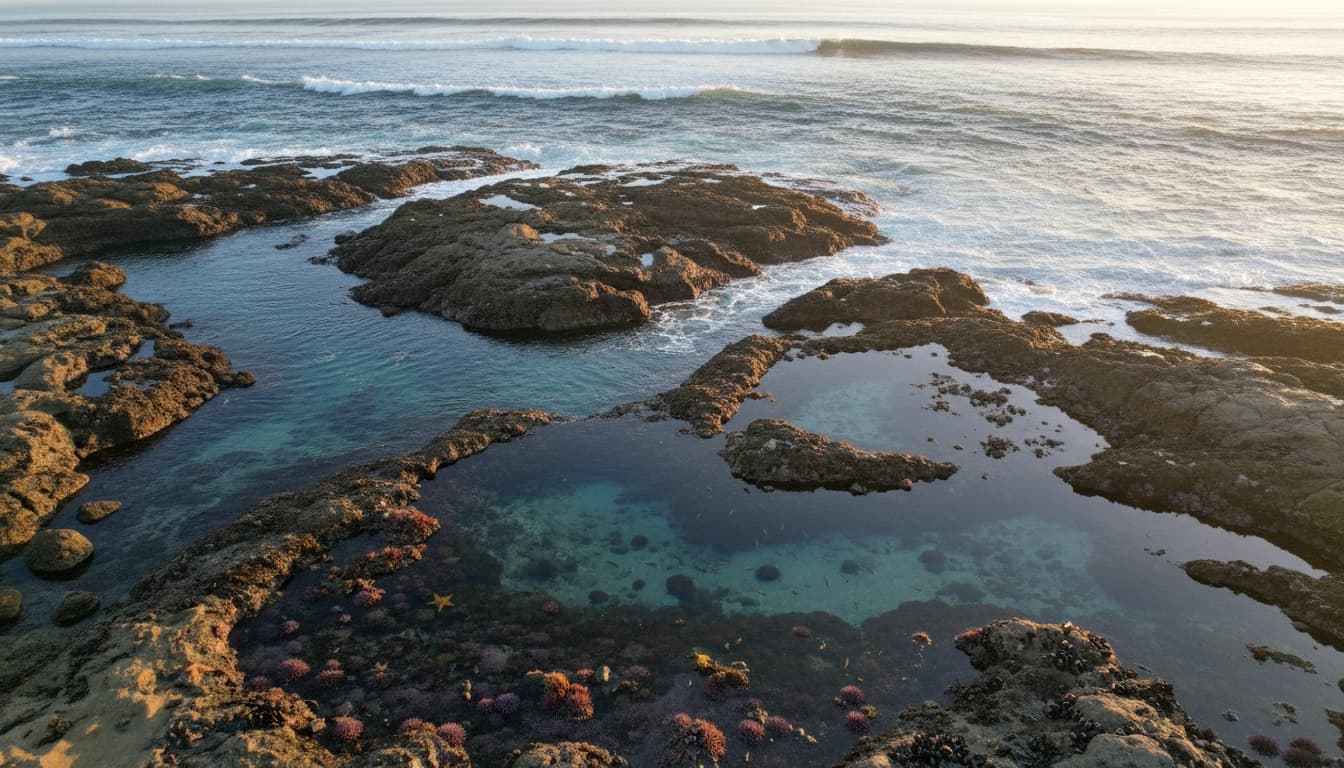
Here's what makes San Diego special: The region sits at a biogeographical transition zone where warm and cold water species overlap, creating unusually diverse rocky intertidal communities.
But there's more to consider. The La Jolla Underwater Marine Park designation means some of our most accessible spots also have the strictest protection rules.
3. When Can You See Tide Pools in San Diego?
The best time is November through March, when negative tides occur during daylight hours. This window offers significantly more viewing opportunities than summer months. I've been tracking tide patterns here for three years, and the difference is dramatic.
Here's what I've learned: Low tide timing matters more than most people realize. Arrive 1-2 hours before the predicted lowest tide for best conditions. The rocky intertidal zone reveals different creatures as water levels drop incrementally.
Peak months breakdown:
- November-December: Highest diversity, cooler water temperatures
- January-February: Lowest crowds, best photography conditions
- March: Transition period, some species begin seasonal migrations
But timing within each day matters too. Morning low tides (6-10 AM) typically offer calmer conditions and better wildlife activity than afternoon sessions.
How to Check Real-Time Tide Predictions
NOAA's tide predictions are the gold standard for accuracy, providing hourly updates for San Diego County beaches. Check their online charts for tides below 0.5 feet (negative is ideal). Mobile apps like Tide Charts and Surf Forecast offer real-time, location-based predictions.
The CatchRules Tide Planning Framework:
- Check chart for tides below 0.5 feet
- Arrive 90 minutes before lowest tide
- Avoid windy days with high waves
- Have backup location ready
- Leave before tide rises 2+ feet
However, I recommend cross-referencing two sources for accuracy (trust me on this one).
4. The 8 Best Tide Pools in San Diego
Cabrillo National Monument
This protected peninsula offers San Diego's most accessible tide pools below dramatic sandstone cliffs. The protected waters host periwinkle snails, shore crabs, anemones, and occasional octopuses. You'll typically find owl limpets, sea urchins, and aggregating anemones.
Park at the visitor center and follow the marked trail down to the rocky shoreline. The 0.5-mile walk includes interpretive signs explaining intertidal ecology.
Fourth graders get free entry through the National Park Service's Every Kid Outdoors initiative — just print the pass online before visiting.
La Jolla Cove and Nearby Areas
La Jolla's protected marine sanctuary creates diverse biodiversity in these tide pools. The tide pools are found around La Jolla Cove and south towards Point La Jolla within the La Jolla Underwater Marine Park boundaries. This protection means I've consistently found diverse species communities here during optimal conditions.
Common sightings include purple sea urchins, limpets, mussels, sea anemones, and occasional octopus hiding in deeper pools. The rocky substrate provides perfect habitat for filter feeders and mobile invertebrates.
Parking fills quickly on weekends. Arrive before 8 AM or try the residential streets east of Coast Boulevard for free spots (check signs for restrictions).
Sunset Cliffs Natural Park
I'll never forget my first time here — nearly got soaked by a sneaker wave while photographing anemones. Sunset Cliffs requires careful navigation but rewards visitors with dramatic scenery and diverse marine life. The exposed coastline creates challenging conditions — only attempt during calm weather and low tides below 0 feet.
Access points vary along Cornish Drive. The safest entry sits near Osprey Street where a worn path leads down to stable rock platforms.
Safety warning: These cliffs can be dangerous due to rogue waves and falls. Never turn your back on the ocean, and don't attempt this location during high surf or storm conditions.
Coronado Beach (Hotel del Coronado Area)
The southern areas of Coronado Beach offer family-friendly exploration with easy beach access. Sandy areas transition to rocky outcrops during low tide, revealing hermit crabs scurrying between pools, small fish, and seasonal visitors. The nearby SS Monte Carlo shipwreck (a 1920s gambling ship) adds historical interest. Remnants appear during extremely low tides just south of the hotel.
This location works well for children and wheelchair users due to level beach access and gentle entry to tidal areas.
Cardiff State Beach
Cardiff's geological setting features interesting rock formations among San Diego County beaches. The tide pools sit within sedimentary rocks from the Eocene Epoch containing fossilized marine life. The geological history creates unique habitat structures found in several locations along San Diego County's coast.
Access the tide pools south of Lifeguard Tower #10 where a short trail leads to rocky intertidal areas. Sea hares, brittle stars, and gooseneck barnacles thrive in the protected coves.
Cardiff stands out because of the combination of fossils and living marine life, making it perfect for educational visits.
Tourmaline Surfing Park
Tourmaline offers great conditions for finding sea snails and hermit crabs in San Diego. The protected bay creates calmer conditions ideal for smaller, more delicate species. Multiple rocky areas provide diverse habitats from shallow splash zones to deeper pools that retain water throughout the tidal cycle.
Free parking and easy access make this a smart choice for first-time tide poolers or families with young children.
Bird Rock
Bird Rock's exposed position creates dynamic tidal conditions supporting diverse marine life. The area requires more careful timing due to wave exposure. Still, it rewards visitors with giant green anemones in the deeper pools and occasional octopus sightings.
Access from Forward Street where a steep trail leads down to the rocky shoreline. Arrive early for parking — street spots fill quickly at this location.
The dramatic sea stack formations provide great photography opportunities during golden hour.
Encinitas (Swami's State Beach)
Swami's combines geological history with living marine communities. The beach features Eocene-era rocks with embedded marine fossils alongside living intertidal communities. Brittle stars and sea hares populate the protected pools north of the main beach stairs.
The bluff-top parking provides convenient access via a maintained stairway. Time visits carefully — this location experiences strong currents during tide changes.
5. Photography Tips for San Diego Tide Pool Wildlife
Getting great tide pool photos requires understanding both marine behavior and lighting conditions. I've learned these techniques through years of photographing San Diego's intertidal zones.
Camera settings for tide pools
- Use macro lens for small creature close-ups
- Shoot in RAW format for better color correction
- Set ISO 400-800 for changing light conditions
- Use fast shutter speeds (1/250s+) for moving subjects
Lighting strategies
- Overcast days eliminate harsh shadows and surface glare
- Polarizing filters cut through water surface reflections
- Small LED panels illuminate deeper pools without disturbing wildlife
- Golden hour creates warm, dramatic lighting
Composition techniques
- Get low to water level for intimate perspectives
- Include surrounding rock context to show habitat
- Focus on eyes when photographing crabs or fish
- Capture feeding behaviors and interactions between species
Responsible photography practices
- Never move or manipulate creatures for better shots
- Avoid flash photography which can stress marine life
- Don't block pools from sunlight for extended periods
- Share images with location tags to promote conservation awareness
6. Are La Jolla Tide Pools Free? Access and Parking Guide
La Jolla tide pools are free to explore, but parking is the main expense. Street meters charge varying hourly rates during peak hours. Arrive before 8 AM when meters aren't enforced, or use residential streets east of Coast Boulevard. Cabrillo National Monument and Cardiff State Beach charge entrance fees, but La Jolla itself is free.
Parking strategies
- Residential streets east of Coast Boulevard (check restriction signs)
- Early morning arrival before 8 AM when meters aren't enforced
- Consider alternative transportation during peak season
Cabrillo National Monument requires a vehicle entrance fee, but the pass typically covers seven consecutive days. Annual passes are available for frequent visitors.
State beaches like Cardiff charge day use parking fees. Encinitas offers paid parking options.
Accessibility considerations
- Great: Cabrillo National Monument (paved trails, viewing platforms)
- Good: La Jolla Cove (accessible overlooks, some beach access)
- Limited: Tourmaline Surfing Park (level beach approach)
- Poor: Sunset Cliffs, Bird Rock (steep, uneven terrain)
Crowd level comparisons
- Weekday mornings: Lightest crowds, best for photography
- Weekend afternoons: Heaviest crowds, especially at La Jolla and Cabrillo
- Holiday periods: All locations experience increased visitation
- Rainy days: Surprisingly good for tide pooling with fewer visitors
7. San Diego Tide Pool Marine Life: What You'll Discover
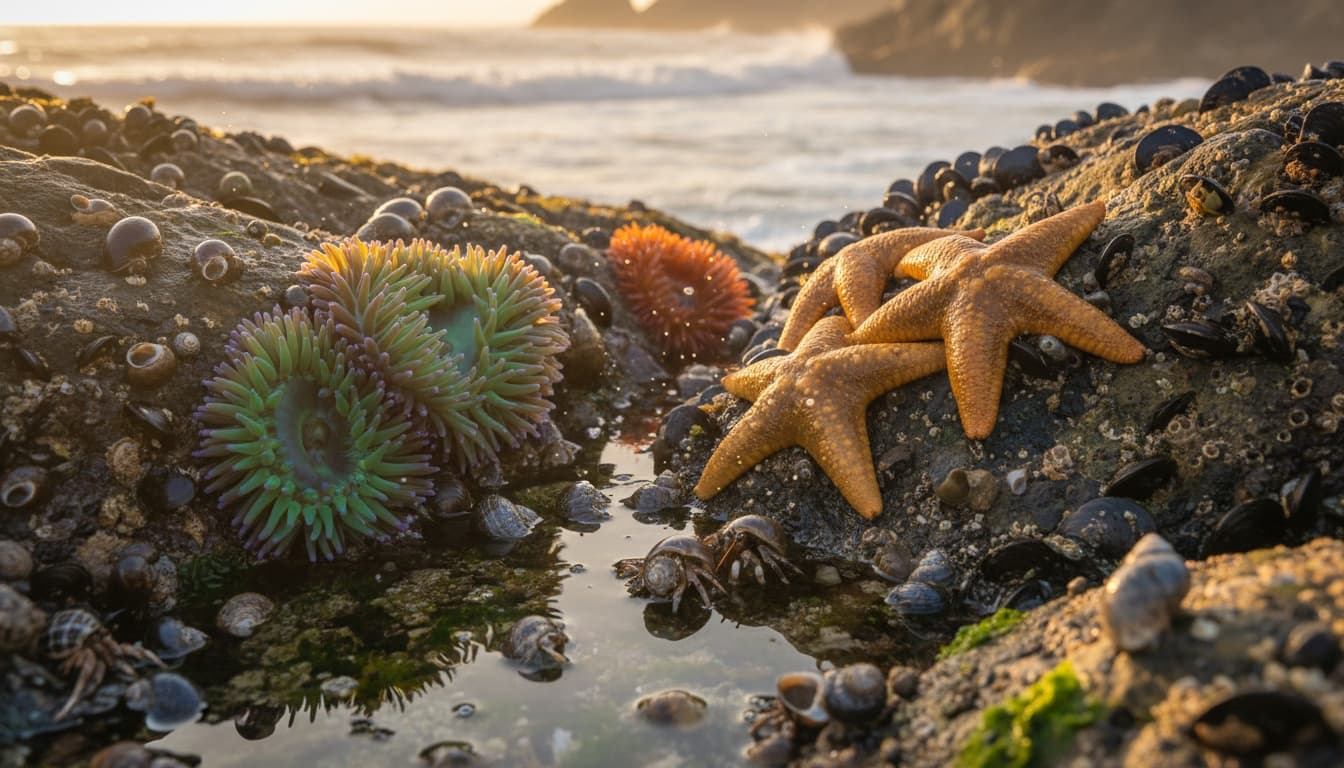
San Diego's rocky intertidal zone hosts diverse species communities across three distinct zones. The splash zone features hardy barnacles and periwinkles. The mid-intertidal supports sea anemones, mussels, and sea stars that add vibrant color to tide pools. The low intertidal reveals sea urchins, abalone, and occasional octopus.
Common species by location:
- Cabrillo: Owl limpets, California sea hares, various chiton species
- La Jolla: Purple sea urchins, various anemone species, hermit crabs
- Sunset Cliffs: Sea anemones, gooseneck barnacles, turban snails
- Cardiff: Fossilized marine life, brittle stars, sea hares
Seasonal variations affect visibility and behavior. Winter months bring increased feeding activity as upwelling delivers nutrients. Spring triggers reproductive cycles — many species release eggs or larvae during this period.
Creatures by Season
November-February (Peak Season):
- Highest anemone activity and color intensity
- Sea star feeding behaviors most visible
- Octopus sightings increase in deeper pools
- Water temperatures ideal for most species
March-May (Transition):
- Spawning activity for many invertebrates
- Algae growth provides more food sources
- Migratory fish species pass through
- Tide timing shifts to later in day
June-October (Off-Season):
- Reduced daylight low tides limit access
- Higher water temperatures stress some species
- Best time for fossil hunting at Cardiff and Swami's
- Fewer crowds but limited viewing windows
Photography works best during overcast conditions when harsh shadows don't obscure pool details. Polarizing filters eliminate surface glare for clearer underwater shots.
8. Essential Tide Pool Safety and Conservation Tips
Responsible tide pooling protects fragile ecosystems while ensuring visitor safety.
Responsible tide pooling follows five core principles: • Never lift creatures off rocks • Replace anything you turn over • Watch your footing on slick surfaces • Avoid bringing pets into pools • Verify local collection regulations
Safety essentials
- Wear shoes with good grip (avoid flip-flops)
- Bring a first aid kit for cuts from sharp rocks
- Check tide times and plan your exit before water rises
- Never turn your back on the ocean — rogue waves kill
Conservation guidelines
- Look but don't touch — oils from skin harm marine life
- Step only on bare rock or sand, never on living organisms
- Don't remove anything from tide pools (it's illegal in most areas)
- Observe quietly to avoid disturbing feeding or resting animals
The La Jolla Underwater Marine Park prohibits collecting any marine life. Cabrillo National Monument enforces similar restrictions. Check local regulations for specific collection rules at each beach.
What to bring checklist
- Non-slip shoes with closed toes
- Polarized sunglasses for better pool visibility
- Small flashlight for looking under ledges
- Camera with macro lens capability
- Reef-safe sunscreen
- Plenty of water and snacks
Wheelchair accessibility ratings
- Great: Cabrillo National Monument (paved trails, viewing platforms)
- Good: La Jolla Cove (accessible overlooks)
- Limited: Tourmaline (level beach approach)
- Poor: Sunset Cliffs, Bird Rock (steep terrain)
9. FAQs
What time should I arrive at San Diego tide pools? Arrive 1–2 hours before the predicted lowest tide time. This gives you the longest viewing window as pools gradually become exposed. Morning low tides (6–10 AM) typically offer calmer conditions and better wildlife activity than afternoon sessions.
Can I bring my dog to San Diego tide pools? Dogs aren't allowed in most tide pool areas due to marine life protection regulations. Cabrillo National Monument, La Jolla Marine Park, and Cardiff State Beach all prohibit pets. Check current regulations for each specific location before visiting.
What's the best month for tide pooling in San Diego? January and February often offer good conditions with low daytime tides and active marine life. November through March provides the best viewing opportunities, with winter months typically showing high species diversity and feeding activity.
Do I need special equipment for tide pooling? Basic gear includes non-slip shoes with closed toes, polarized sunglasses for better pool visibility, and reef-safe sunscreen. A small flashlight helps illuminate deeper pools and crevices. Bring water, snacks, and a camera with macro lens. Most importantly, avoid touching marine life—observation only.
Are San Diego tide pools safe for kids? Yes, with proper supervision. Choose easier locations like Tourmaline Surfing Park or Cabrillo National Monument for young children. Always maintain visual contact, establish boundaries away from wave zones, and watch for slippery rocks and sharp shells. Avoid Sunset Cliffs and Bird Rock due to dangerous cliff exposure.
Can I collect shells or sea creatures from tide pools? No collecting is allowed in marine protected areas like La Jolla or Cabrillo. Some beaches may permit empty shell collection from sandy areas, but verify local regulations first. Living creatures should never be removed.
10. Identify Every Species You Find — Offline
When you spot an unfamiliar creature in a tide pool, field guides and identification apps can help you learn about local marine life. Understanding what you're seeing enhances the tide pooling experience while helping you follow protection rules for different species and locations.