
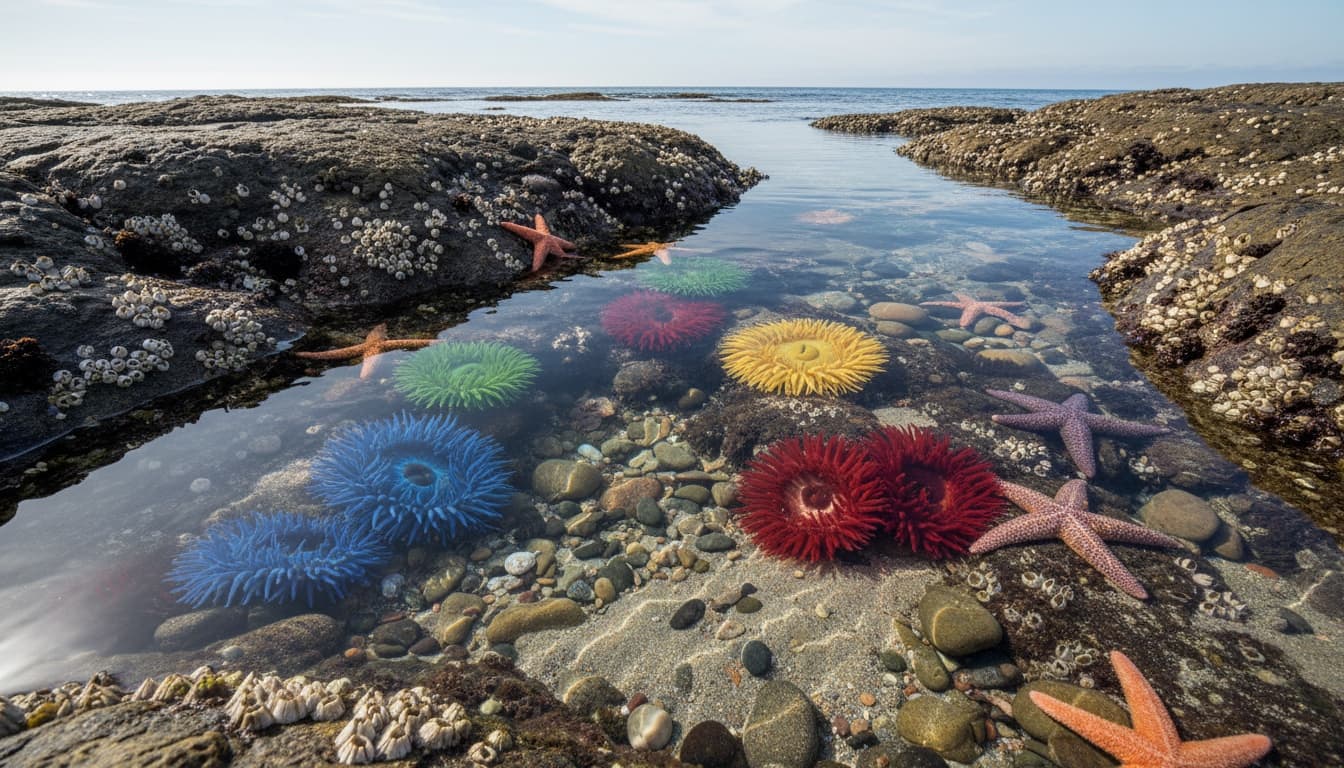
1. Why Tide Pool Etiquette Matters for Ecosystems and Safety
Marine life in the tidal zone faces constant stress from crashing waves, temperature changes, and predators. Adding human disruption pushes many species beyond their survival limits.
At Pescadero State Beach, marine biology studies have documented patterns of visitor impact on intertidal communities. Heavy foot traffic can cause anemones to retreat permanently. Barnacles stop feeding. Sea stars abandon their hunting grounds.
Your safety depends on these same etiquette rules. Sharp barnacles slice through skin. Slippery rocks covered in seaweed hide dangerous drops. Sneaker waves can knock you off your feet. They result in getting swept out in the breakers and tossed against the rocks.
The golden rule? Their home, we're just visiting.
2. The Golden Rules: What Should You Avoid Doing in Tide Pools?
Never remove anything from tide pools. Period.
This includes animals, shells, rocks, or any natural materials. It's illegal in Marine Protected Areas (MPAs). Many of the best tide pools in Southern California are MPAs — including Fitzgerald Marine Reserve and Asilomar State Marine Reserve.
Don't touch, poke, or handle sea creatures. Handling and removing animals from tide pools can result in death.
Watch every step. Anemones, barnacles, mussels, snails, chitons, and sea stars live on the rocks. Repeated footsteps on rocks can cause loss of life and destruction of habitable space.
Turn rocks carefully — but only if you must. A good rule of thumb is to only lift rocks that you can lift and replace with one hand. Rocks covered in seaweed are slippery and may be covering unseen creatures.
Replace everything exactly as you found it. Tidepool creatures use rocks as shelter from sun and predators. Moving rocks can crush hidden creatures below or leave them exposed and vulnerable.
Leave no trace means zero litter. Marine debris can cause choking, entanglement, and intestinal blockages in wildlife.
Why These Rules Protect Marine Life
Each violation creates serious ecological damage. Actually, the most damaging behavior isn't dramatic collecting — it's the small stuff. Stepping on barnacles destroys their feeding apparatus. Disturbing starfish (also called sea stars) interrupts their feeding cycles.
Ocean conservation depends on these seemingly minor protections adding up across thousands of visitors.
3. Safety First: Avoiding Hazards While Tide Pooling
Sharp rocks and barnacles turn every surface into a potential injury. Wear closed-toe shoes with good tread and waterproof construction if possible — Merrell Hydro Mocs or Keen Newport sandals work well on rocky shore terrain. No flip-flops or sandals.
Slippery surfaces multiply during low tide. Algae-covered rocks become skating rinks. Test each step before committing your full weight.
Wave hazards change by the minute. Sneaker waves can knock you off your feet if you're not careful. Stay aware of ocean conditions and keep one eye on the water at all times.
Sea urchins hide in crevices and under ledges. Their spines cause painful puncture wounds that easily become infected. Look before you reach.
Emergency planning matters more than you think. Cell service disappears on remote rocky shores. Tell someone your exact location and expected return time.
Proper footwear typically prevents most slip-related injuries on rocky shores.
What Time of Day is Best for Tidepooling?
Start as the tide goes out. This gives you maximum exploration time before water returns. Check U.S. Harbors and NOAA tide charts for local predictions.
Moon phases drive the best tides. New and full moons create the lowest "spring tides" that expose the most marine life.
4. What to Wear Tide Pooling: Gear That Prevents Injuries and Protects Marine Life
Footwear makes or breaks your trip. Choose shoes with aggressive tread patterns and ankle support. Wet rocks demand serious grip.
Monterey Bay weather can be cold so dress in layers. Coastal temperatures typically drop 20 degrees from inland areas, even in summer.
Bring reef-safe sunscreen only — brands like Stream2Sea or Badger Sport are good options. Traditional sunscreens contain chemicals that harm marine ecosystems. Better yet, wear long sleeves and a hat.
Pack plastic-free gear. Water bottles, snack containers, and bags should be reusable materials. Ocean currents carry plastic debris directly into tide pool habitats.
Emergency items include a first aid kit, whistle, and flashlight. Tide pooling often happens during dawn or dusk hours when visibility drops quickly.
5. Timing Your Visit: Tides, Conditions, and Best Practices
Tidal charts reveal the ocean's schedule. Plan visits during low tides below 0.0 feet for maximum exposure. Spring tides occur twice monthly during new and full moons.
Weather conditions trump tide timing. Avoid stormy days when waves crash higher than predicted. Wind creates dangerous spray that makes rocks extra slippery.
Seasonal variations affect marine life activity. Summer brings more active feeding and movement. Winter storms reshape entire tide pool landscapes.
Crowd timing impacts your experience and ecosystem health. Early morning visits encounter fewer people and calmer marine life. Weekend afternoons stress both visitors and wildlife.
The best tide pooling happens when multiple factors align: minus tides, calm weather, and minimal crowds.
6. Tide Pooling for Different Ability Levels
Wheelchair-accessible tide pooling exists at several locations. Haystack Rock in Oregon offers paved paths to viewing areas. Some coastal parks provide boardwalks over sensitive areas.
Visual impairment considerations include tactile exploration alternatives. Bring a magnifying glass for close observation without touching. Audio guides at some marine reserves describe tide pool sounds and smells.
Mobility aids like walking sticks help navigate uneven rocky shore terrain. Lightweight trekking poles provide stability on wet surfaces.
Beginner tide pooling works best with guided programs. Many state parks offer ranger-led walks that teach responsible tide pooling techniques while protecting sensitive areas.
7. Common Beginner Mistakes and How to Avoid Them
Rushing through tide pools scares away mobile species. Move slowly and pause frequently. Marine life emerges when they sense you're not a threat.
Bringing inappropriate gear creates problems. Glass containers break on rocks. Food attracts aggressive seagulls that disturb nesting birds.
Ignoring tide schedules leads to dangerous situations. Rising water cuts off escape routes and makes rocks increasingly slippery.
Poor supervision of children and pets causes the most ecosystem damage. Dogs should be kept leashed and under control at tide pools. Kids need constant guidance about where to step and what not to touch.
Skipping local regulation research gets you in legal trouble. Protected areas like Haystack Rock and Asilomar State Marine Reserve prohibit all collecting.
8. Regional Considerations and Local Regulations
California's Marine Protected Areas restrict any kind of collecting or fishing (California Department of Fish and Wildlife). These zones cover many popular tide pooling destinations from Monterey to San Diego.
Oregon's rocky islands and headlands serve as key nesting areas for sea and shorebirds. Haystack Rock is a protected intertidal area where collecting is prohibited.
Local wildlife sensitivities vary by season. Seabird nesting periods require extra distance from cliff areas. Pupping seasons for marine mammals create temporary access restrictions.
Always verify with local park services or marine sanctuary offices before visiting. Regulations change based on ecosystem health and seasonal wildlife needs.
9. Photography and Documentation Without Damage
Natural lighting works better than flash photography. Bright lights stress marine animals and force them into defensive positions that aren't natural behaviors.
Macro photography captures detail without requiring close approach. A 100mm macro lens or smartphone with macro attachment lets you document tide pool life while maintaining respectful distance.
Species identification apps can help identify marine life from a respectful distance.
Share images responsibly on social media. Avoid posting exact locations of sensitive habitats. Use general area names instead of specific GPS coordinates.
Educational documentation serves conservation better than exploitation. Focus on behavior, adaptation, and ecosystem relationships rather than just pretty pictures.
Equipment considerations include waterproof cases (Pelican or LifeProof work well) and lens cloths for salt spray. Tide pool environments destroy electronics quickly without proper protection.
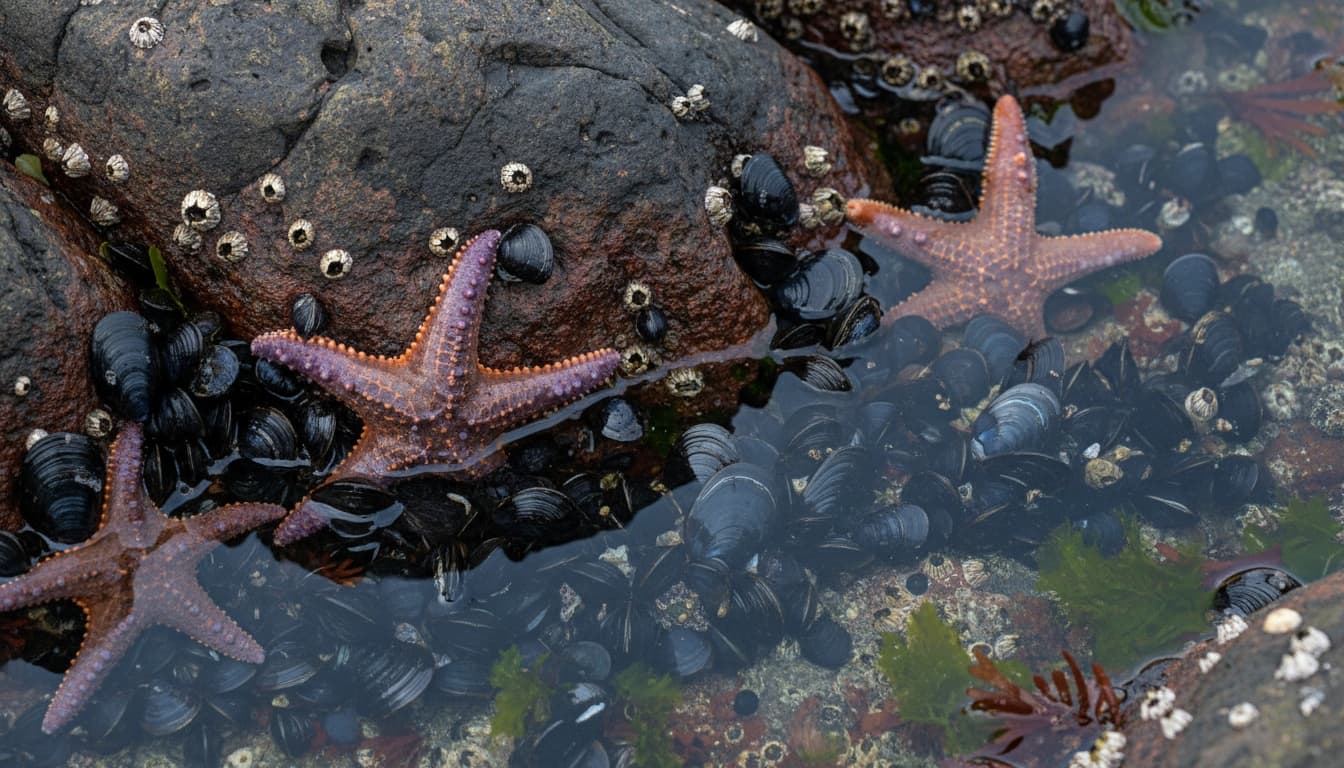
10. Climate Change Impacts on Tide Pool Communities
Rising ocean temperatures stress cold-water species. Sea stars often face increased disease pressure during marine heat waves. Acidification weakens shells of mussels, barnacles, and snails.
Coastal awareness includes understanding these changing conditions. Some traditional tide pool species are moving north or disappearing entirely. Others are expanding their ranges.
Responsible tide pooling now includes documenting these changes. Citizen science programs like iNaturalist help track species distributions over time.
11. How to Identify Tide Pool Species Without Disturbing Them
Field guides and species identification apps can help identify marine life from a respectful distance.
12. Frequently Asked Questions
Can I take shells from tide pools? No. Shells provide homes for hermit crabs and other creatures. Even empty-looking shells may house marine life. It's illegal in Marine Protected Areas.
What if I accidentally step on something? Don't panic. Move carefully to solid rock and observe the area. Most marine life can recover from brief contact if not repeatedly disturbed.
Are there tide pools safe for young children? Yes, but they need constant supervision. Choose areas with shallow pools and stable footing. Teach them to look with their eyes, not their hands.
Can I bring my dog to tide pools? Dogs should be kept leashed and under control at tide pools. Many beaches prohibit dogs in sensitive intertidal areas during nesting seasons.
What's the best time of year for tide pooling? Spring and summer offer the most active marine life and better weather. Still, winter storms expose new areas and create dramatic wave action for experienced visitors.
How do I know if an area is protected? Check with local park services before visiting. Look for posted signs indicating Marine Protected Areas or Marine Reserves. When in doubt, follow the strictest guidelines.
13. Key Takeaways
- Never remove anything: Animals, shells, rocks, or seaweed stay in tide pools
- Look but don't touch: Marine life suffers stress from human contact
- Watch your step: Every surface hosts living organisms
- Time visits carefully: Low tides during calm weather offer best conditions
- Respect local regulations: Many tide pools are protected areas with strict rules
- Prioritize safety: Proper footwear and wave awareness prevent injuries
- Move slowly: Rushed exploration disturbs wildlife and misses discoveries
- Plan ahead: Check tides, weather, and local restrictions before visiting
Always verify with local park services before keeping or releasing any marine life.
Identify It, Measure It, Collect It — Offline
CatchRules identifies 1,494 fish species from a photo, logs the length of every catch, and every fish you name swims in your own water at the depth it really lives. Works without a signal, on iPhone and Android.
Get the free CatchRules app