
Species profile
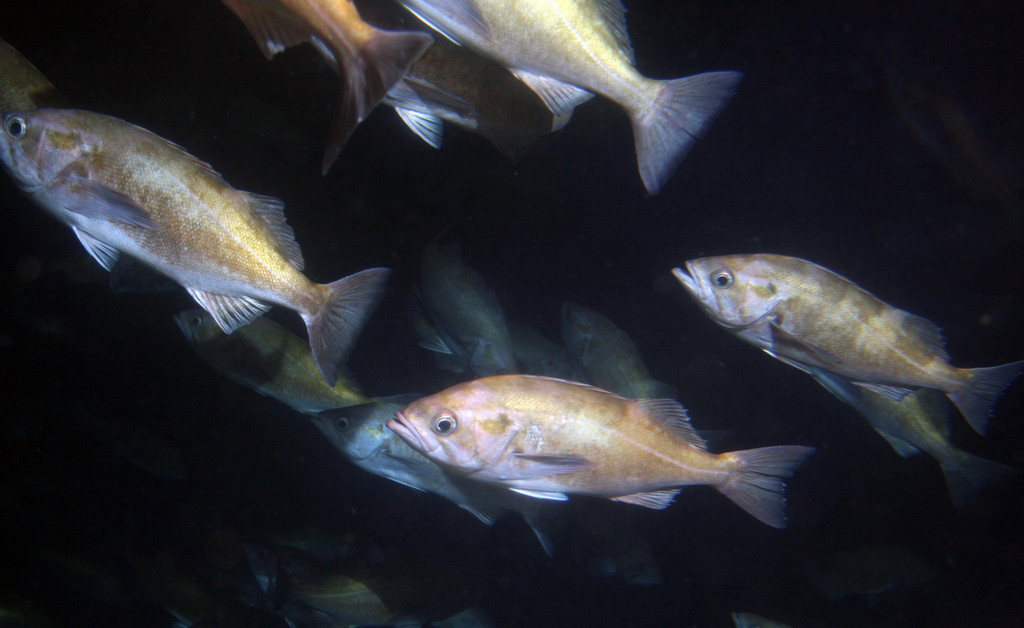
Widow Rockfish
Sebastes entomelas
Identify Widow Rockfish (Sebastes entomelas) from a photo: try it free in your browser, or get unlimited IDs, no sign-up, with the CatchRules app. Plus current fishing rules across 2 jurisdictions.
At a glance
Widow Rockfish (Sebastes entomelas) is a bony-fish species regulated in 2 of 66 jurisdictions tracked by CatchRules across the U.S. and Canada.
Confirmed by 78 research-grade iNaturalist observations, with Alaska, British Columbia, and California the top jurisdictions by observation count.
Notable details
- Forms large mid-water schools, making it one of the most social Pacific rockfish.
- Named for its dark, dusky coloration evoking a mourning widow's dress.
- Can reach 24 inches (60 cm) in length and live more than 50 years.
- Range extends from Baja California north to Alaska.
- Feeds heavily on krill, small fish, and squid while roaming the water column.
Where Widow Rockfish are seen
Jurisdictions with rules for Widow Rockfish
Background
Sebastes entomelas, the widow rockfish, is a type of rockfish (Sebastidae) that lives mainly off the coast of western North America from Alaska to Baja California. This fish is also commonly called widowfish and red snapper.
Background excerpt adapted from Wikipedia's Widow Rockfish article (CC BY-SA). Visit Wikipedia for the full entry.
Other bony fish on CatchRules
Frequently asked questions
What is Widow Rockfish?
Widow Rockfish (Sebastes entomelas) is a bony-fish species regulated in 2 of 66 jurisdictions tracked by CatchRules across the U.S. and Canada.
What is the scientific name for Widow Rockfish?
Widow Rockfish is Sebastes entomelas.
Is Widow Rockfish regulated for fishing?
Yes — Widow Rockfish has fishing regulations in 2 U.S. states and/or Canadian provinces tracked by CatchRules. See the "Jurisdictions with rules" section above for the binding-source links.
How can I identify Widow Rockfish?
Take a photo with the free CatchRules app for iPhone or Android — on-device identification recognizes Widow Rockfish along with ~1,500 other species. No sign-up, unlimited use.
Photo credit: iNaturalist / Wikipedia. Identification reference only — verify regulations with the issuing wildlife agency before retaining a catch.