
Species profile
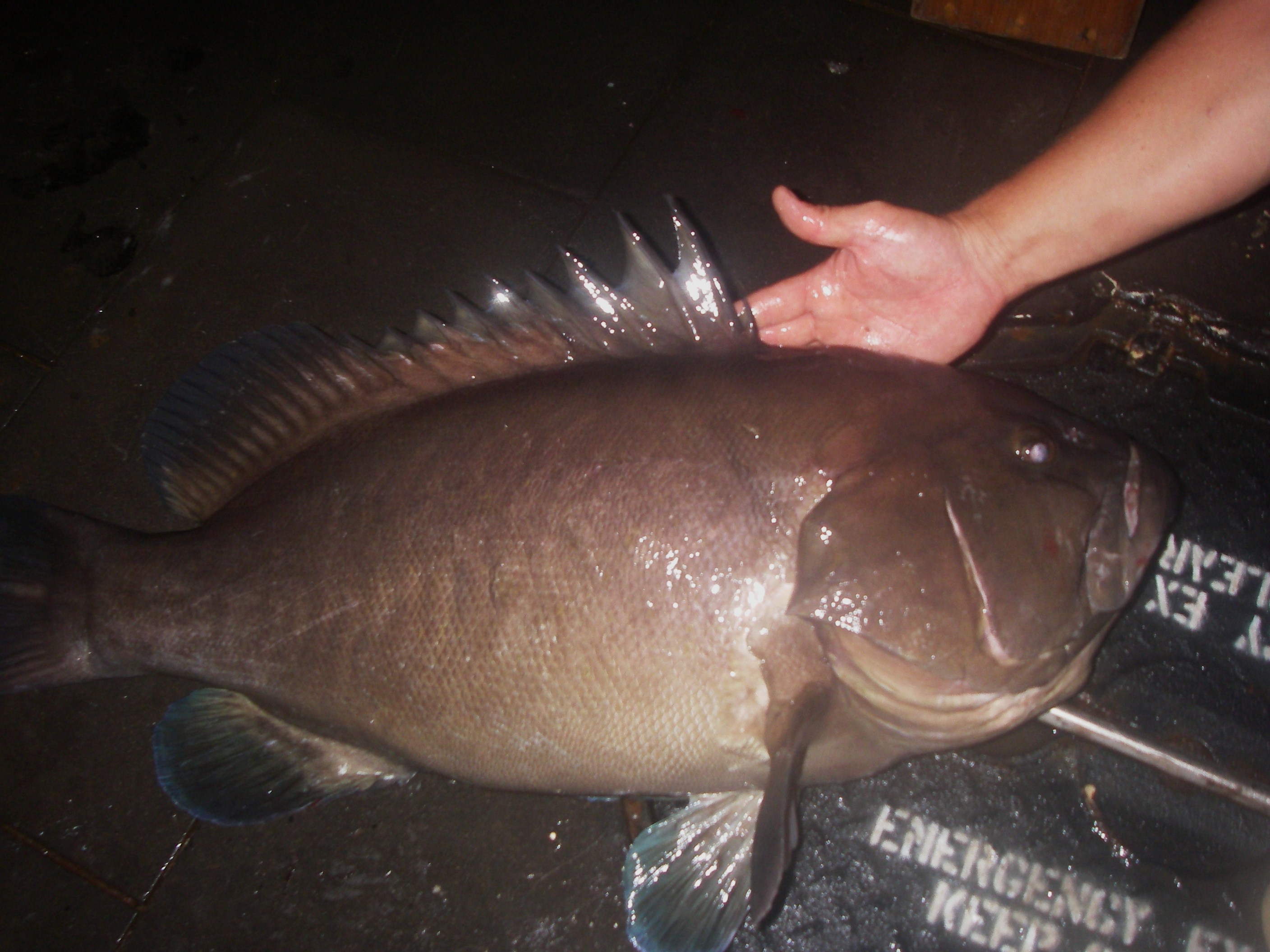
Warsaw Grouper
Hyporthodus nigritus
Identify Warsaw Grouper (Hyporthodus nigritus) from a photo: try it free in your browser, or get unlimited IDs, no sign-up, with the CatchRules app. Plus current fishing rules across 2 jurisdictions.
At a glance
Warsaw Grouper (Hyporthodus nigritus) is an IUCN Near Threatened bony-fish species regulated in 3 of 66 jurisdictions tracked by CatchRules across the U.S. and Canada.
Confirmed by 4 research-grade iNaturalist observations across the species' range.
Notable details
- One of the largest Atlantic groupers, with records exceeding 400 pounds.
- Listed as Critically Endangered by the IUCN, largely due to decades of overfishing.
- A protogynous hermaphrodite that starts life as female and may later transition to male.
- Inhabits deep rocky reefs and can be found at depths exceeding 500 meters.
- Slow to recover from overfishing due to late sexual maturity and a lifespan exceeding 20 years.
Where Warsaw Grouper are seen
Jurisdictions with rules for Warsaw Grouper
Background
Hyporthodus nigritus, or the Warsaw grouper, is a species of marine fish in the family Serranidae, found in the Western Atlantic from Massachusetts to the Gulf of Mexico, Cuba, Trinidad, and south to Brazil (Rio de Janeiro). Its natural habitats are open seas, shallow seas, subtidal aquatic beds, and coral reefs. It is threatened by habitat loss.
Background excerpt adapted from Wikipedia's Warsaw Grouper article (CC BY-SA). Visit Wikipedia for the full entry.
Other bony fish on CatchRules
Frequently asked questions
What is Warsaw Grouper?
Warsaw Grouper (Hyporthodus nigritus) is an IUCN Near Threatened bony-fish species regulated in 3 of 66 jurisdictions tracked by CatchRules across the U.S. and Canada.
What is the scientific name for Warsaw Grouper?
Warsaw Grouper is Hyporthodus nigritus.
Is Warsaw Grouper regulated for fishing?
Yes — Warsaw Grouper has fishing regulations in 2 U.S. states and/or Canadian provinces tracked by CatchRules. See the "Jurisdictions with rules" section above for the binding-source links.
How can I identify Warsaw Grouper?
Take a photo with the free CatchRules app for iPhone or Android — on-device identification recognizes Warsaw Grouper along with ~1,500 other species. No sign-up, unlimited use.
Photo credit: iNaturalist / Wikipedia. Identification reference only — verify regulations with the issuing wildlife agency before retaining a catch.