
Species profile
Tadpole Madtom
Noturus gyrinus
Identify Tadpole Madtom (Noturus gyrinus) from a photo: try it free in your browser, or get unlimited IDs, no sign-up, with the CatchRules app. Plus current fishing rules across 1 jurisdiction.
At a glance
Tadpole Madtom (Noturus gyrinus) is an IUCN Least Concern bony-fish species with specific harvest rules tracked in 1 of 66 jurisdictions covered by CatchRules.
Confirmed by 958 research-grade iNaturalist observations, with Ontario, Florida, and Texas the top jurisdictions by observation count.
Notable details
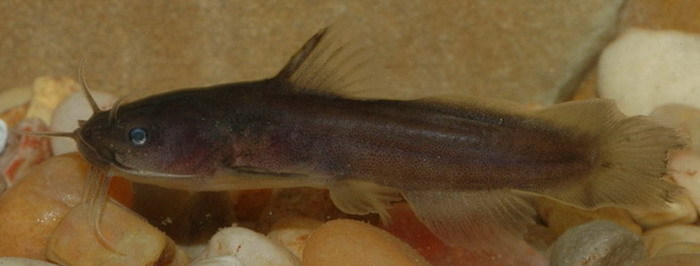
- Named for its plump, rounded body shape that resembles a tadpole.
- Rarely grows longer than 4 inches as an adult.
- Like all madtoms, it has mildly venomous pectoral fin spines.
- Hides in dense aquatic vegetation and leaf litter in slow or still water.
- One of the most widespread madtoms, found from the Great Plains to the Atlantic coast.
Where Tadpole Madtom are seen
Jurisdictions with rules for Tadpole Madtom
Background
The tadpole madtom (Noturus gyrinus) is a species of fish in the family Ictaluridae. It is native to Canada and the United States.
Background excerpt adapted from Wikipedia's Tadpole Madtom article (CC BY-SA). Visit Wikipedia for the full entry.
Other bony fish on CatchRules
Frequently asked questions
What is Tadpole Madtom?
Tadpole Madtom (Noturus gyrinus) is an IUCN Least Concern bony-fish species with specific harvest rules tracked in 1 of 66 jurisdictions covered by CatchRules.
What is the scientific name for Tadpole Madtom?
Tadpole Madtom is Noturus gyrinus.
Is Tadpole Madtom regulated for fishing?
Yes — Tadpole Madtom has fishing regulations in 1 U.S. state and/or Canadian province tracked by CatchRules. See the "Jurisdictions with rules" section above for the binding-source links.
How can I identify Tadpole Madtom?
Take a photo with the free CatchRules app for iPhone or Android — on-device identification recognizes Tadpole Madtom along with ~1,500 other species. No sign-up, unlimited use.
Photo credit: iNaturalist / Wikipedia. Identification reference only — verify regulations with the issuing wildlife agency before retaining a catch.