
Species profile
Rock Beauty
Holacanthus tricolor
Identify Rock Beauty (Holacanthus tricolor) from a photo — free, unlimited, no sign-up — with the CatchRules iPhone app. Plus current fishing rules across 1 jurisdiction.
At a glance
Rock Beauty (Holacanthus tricolor) is an IUCN Least Concern bony-fish species with specific harvest rules tracked in 1 of 66 jurisdictions covered by CatchRules.
Confirmed by 82 research-grade iNaturalist observations, concentrated in Florida.
Notable details
- Sponges make up nearly all of the Rock Beauty's adult diet.
- Their strict sponge dependence makes them almost impossible to maintain in home aquariums.
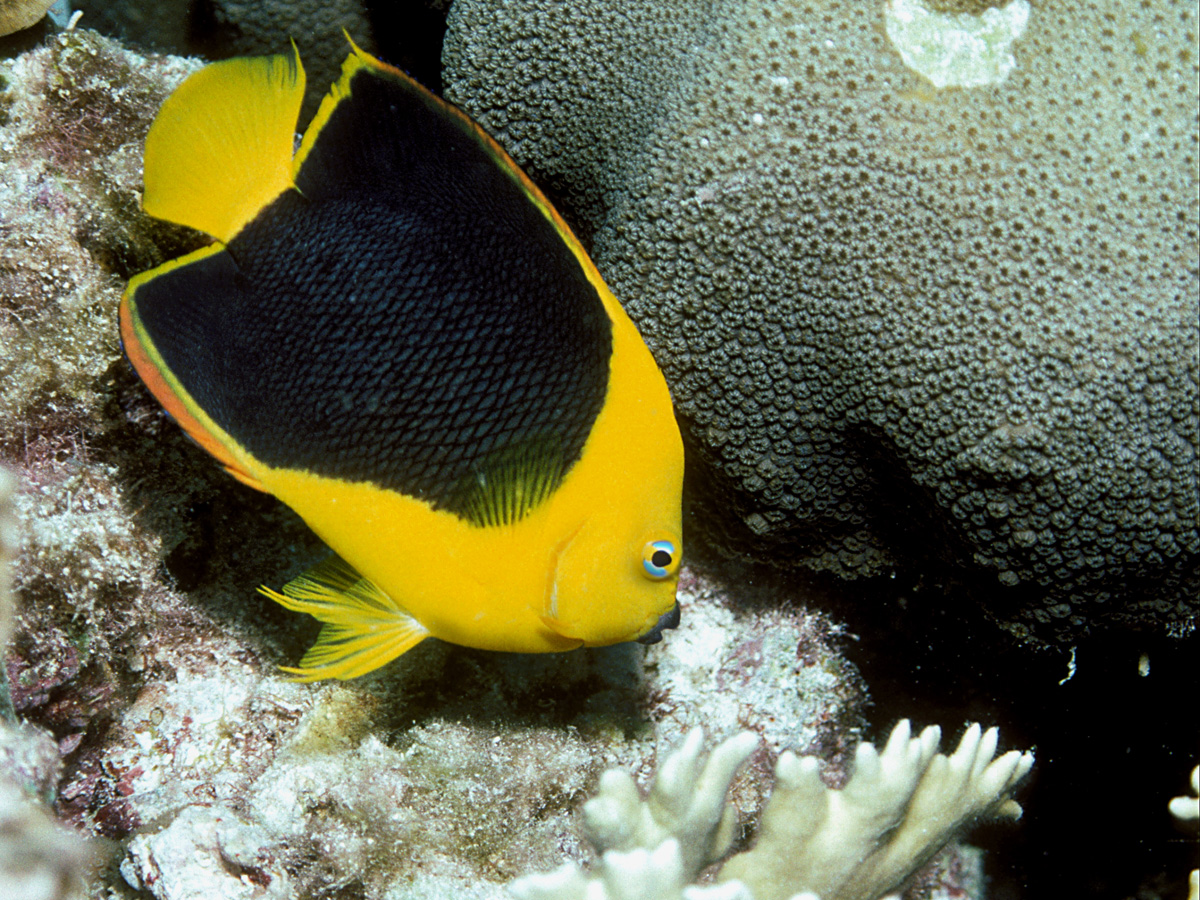
- Adults grow to about 14 inches with jet-black flanks and a vivid yellow head and tail.
- Range extends from coastal Georgia south to Brazil, including Gulf of Mexico reefs.
Where Rock Beauty are seen
Jurisdictions with rules for Rock Beauty
Background
The rock beauty (Holacanthus tricolor) is a species of marine angelfish of the family Pomacanthidae. Other common names include corn sugar, coshubba, rock beasty and yellow nanny.
Background excerpt adapted from Wikipedia's Rock Beauty article (CC BY-SA). Visit Wikipedia for the full entry.
Other bony fish on CatchRules
Frequently asked questions
What is Rock Beauty?
Rock Beauty (Holacanthus tricolor) is an IUCN Least Concern bony-fish species with specific harvest rules tracked in 1 of 66 jurisdictions covered by CatchRules.
What is the scientific name for Rock Beauty?
Rock Beauty is Holacanthus tricolor.
Is Rock Beauty regulated for fishing?
Yes — Rock Beauty has fishing regulations in 1 U.S. state and/or Canadian province tracked by CatchRules. See the "Jurisdictions with rules" section above for the binding-source links.
How can I identify Rock Beauty?
Take a photo with the free CatchRules iPhone app — on-device identification recognizes Rock Beauty along with ~1,500 other species. No sign-up, unlimited use.
Photo credit: iNaturalist / Wikipedia. Identification reference only — verify regulations with the issuing wildlife agency before retaining a catch.