
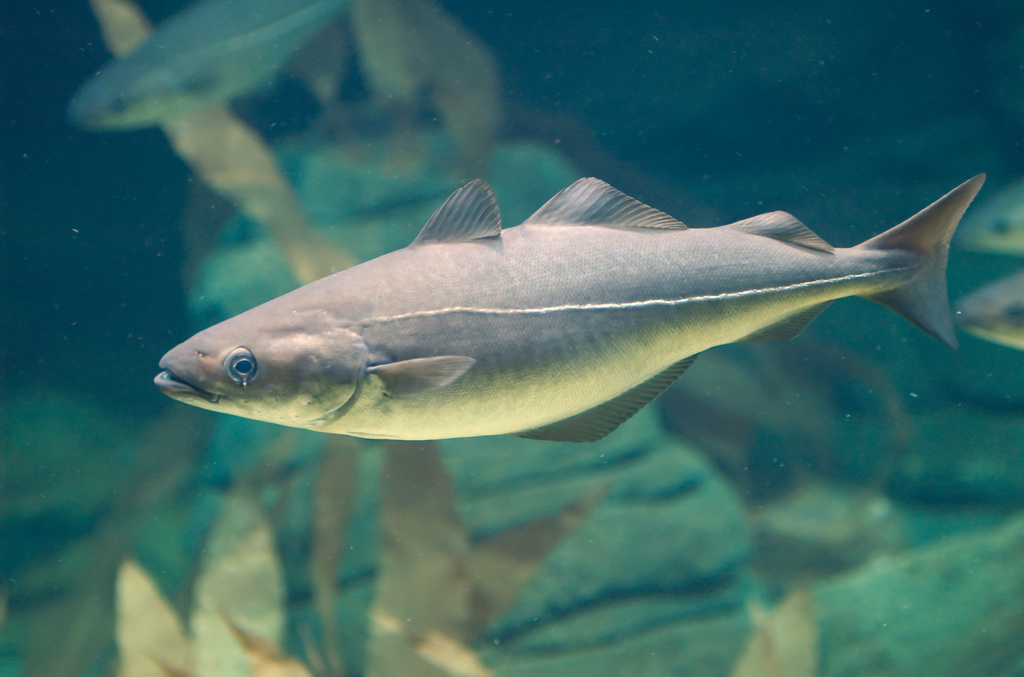
Species profile
Pollock
Pollachius virens
Identify Pollock (Pollachius virens) from a photo: try it free in your browser, or get unlimited IDs, no sign-up, with the CatchRules app. Plus current fishing rules across 7 jurisdictions.
At a glance
Pollock (Pollachius virens) is a bony-fish species regulated in 8 of 66 jurisdictions tracked by CatchRules across the U.S. and Canada.
The strictest bag limit is 2 (Washington); the most generous is 10 (Massachusetts).
Across 6 jurisdictions with stated minimum sizes, the average minimum is 21.2 in (≈ 1 ft 9 in).
Confirmed by 340 research-grade iNaturalist observations, with Nova Scotia, Maine, and Massachusetts the top jurisdictions by observation count.
Notable details
- Pollock is the fish most commonly used to make imitation crab meat (surimi).
- They can grow to 3.5 feet long and live more than 20 years.
- Pollock forms massive schools and is among the most commercially harvested North Atlantic fish.
- A pale lateral line running along the body is a key identifying feature.
- Their mild white flesh is a staple ingredient in fast-food fish sandwiches and fish sticks.
Where Pollock are seen
Jurisdictions with rules for Pollock
Background
Saithe (/seɪð/ or /seɪθ/), Pollachius virens, is a species of marine fish in the Pollachius genus. Together with Pollachius pollachius it is generally referred to in the United States as pollock. Other names include the Boston blue (separate from bluefish), coalfish/coley, and saithe in the UK.
Background excerpt adapted from Wikipedia's Pollock article (CC BY-SA). Visit Wikipedia for the full entry.
Other bony fish on CatchRules
Frequently asked questions
What is Pollock?
Pollock (Pollachius virens) is a bony-fish species regulated in 8 of 66 jurisdictions tracked by CatchRules across the U.S. and Canada.
What is the scientific name for Pollock?
Pollock is Pollachius virens.
Is Pollock regulated for fishing?
Yes — Pollock has fishing regulations in 7 U.S. states and/or Canadian provinces tracked by CatchRules. See the "Jurisdictions with rules" section above for the binding-source links.
How can I identify Pollock?
Take a photo with the free CatchRules app for iPhone or Android — on-device identification recognizes Pollock along with ~1,500 other species. No sign-up, unlimited use.
Photo credit: iNaturalist / Wikipedia. Identification reference only — verify regulations with the issuing wildlife agency before retaining a catch.