
Species profile
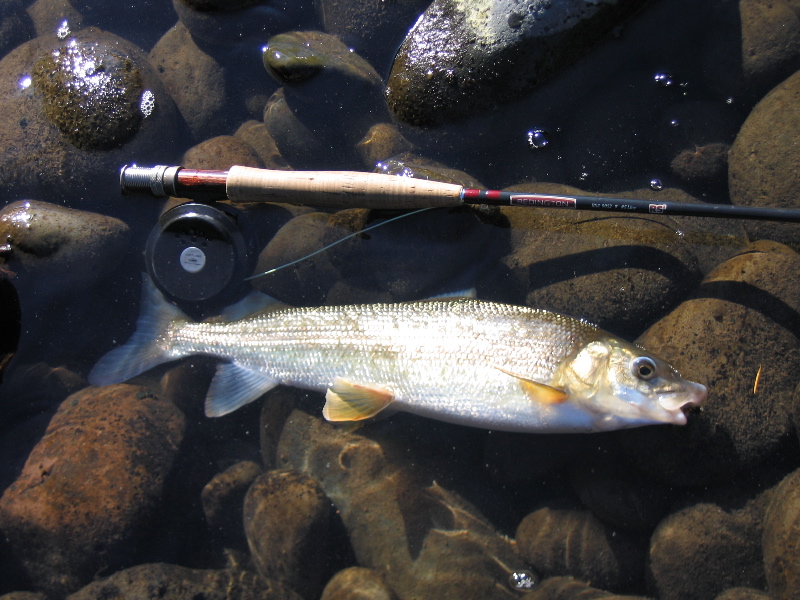
Mountain Whitefish
Prosopium williamsoni
Identify Mountain Whitefish (Prosopium williamsoni) from a photo: try it free in your browser, or get unlimited IDs, no sign-up, with the CatchRules app. Plus current fishing rules across 6 jurisdictions.
At a glance
Mountain Whitefish (Prosopium williamsoni) is a bony-fish species regulated in 6 of 66 jurisdictions tracked by CatchRules across the U.S. and Canada.
The strictest bag limit is 1 (Alberta); the most generous is 25 (Idaho).
Confirmed by 669 research-grade iNaturalist observations, with British Columbia, Alberta, and Oregon the top jurisdictions by observation count.
Notable details
- Native to cold rivers and streams throughout the Rocky Mountains and Pacific Northwest.
- Can reach 50 cm (20 inches) and weigh about 2 kg (4.4 lbs).
- Heavy insect diet makes it a popular and challenging target for fly fishers.
- Can live up to 18 years in cold mountain streams.
- Serves as an important indicator of cold, clean water quality in western watersheds.
Where Mountain Whitefish are seen
Jurisdictions with rules for Mountain Whitefish
Background
The mountain whitefish (Prosopium williamsoni) is one of the most widely distributed salmonid fish of western North America. It is found from the Mackenzie River drainage in Northwest Territories, Canada south through western Canada and the northwestern USA in the Pacific, Hudson Bay and upper Missouri River basins to the Truckee River drainage in Nevada and Sevier River drainage in Utah.
Background excerpt adapted from Wikipedia's Mountain Whitefish article (CC BY-SA). Visit Wikipedia for the full entry.
Other bony fish on CatchRules
Frequently asked questions
What is Mountain Whitefish?
Mountain Whitefish (Prosopium williamsoni) is a bony-fish species regulated in 6 of 66 jurisdictions tracked by CatchRules across the U.S. and Canada.
What is the scientific name for Mountain Whitefish?
Mountain Whitefish is Prosopium williamsoni.
Is Mountain Whitefish regulated for fishing?
Yes — Mountain Whitefish has fishing regulations in 6 U.S. states and/or Canadian provinces tracked by CatchRules. See the "Jurisdictions with rules" section above for the binding-source links.
How can I identify Mountain Whitefish?
Take a photo with the free CatchRules app for iPhone or Android — on-device identification recognizes Mountain Whitefish along with ~1,500 other species. No sign-up, unlimited use.
Photo credit: iNaturalist / Wikipedia. Identification reference only — verify regulations with the issuing wildlife agency before retaining a catch.