
Species profile
Geoduck Clam
Panopea generosa
Identify Geoduck Clam (Panopea generosa) from a photo: try it free in your browser, or get unlimited IDs, no sign-up, with the CatchRules app. Plus current fishing rules across 3 jurisdictions.
At a glance
Geoduck Clam (Panopea generosa) is a bivalve mollusk regulated in 4 of 66 jurisdictions tracked by CatchRules across the U.S. and Canada.
The strictest bag limit is 3 (British Columbia); the most generous is 6 (Alaska).
Confirmed by 280 research-grade iNaturalist observations, with Washington, California, and British Columbia the top jurisdictions by observation count.
Notable details
- Geoducks can live over 150 years, making them among the longest-lived animals on Earth.
- Their siphon can extend over 3 feet out of the shell.
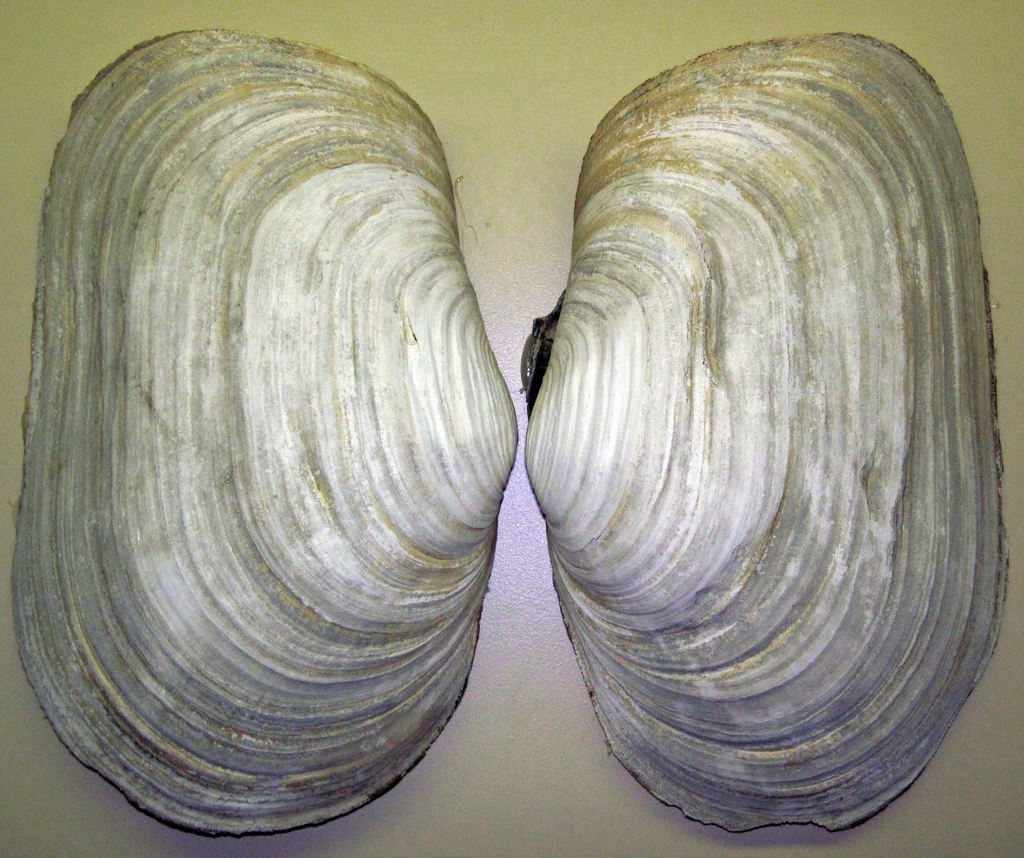
- Shells typically measure 6 to 9 inches long, but the soft body extends much farther.
- Despite their size, geoducks burrow 2 to 3 feet deep into sandy or muddy substrate.
- Geoducks are among the priciest commercial shellfish in North America, largely exported to Asian markets.
Where Geoduck Clam are seen
Jurisdictions with rules for Geoduck Clam
Background
The Pacific geoduck (“gooey-duck”; /ˈɡuːiˌdʌk/; Panopea generosa) is a species of very large, edible saltwater clam in the family Hiatellidae. The common name is derived from a Lushootseed (Nisqually) word gʷídəq.
Background excerpt adapted from Wikipedia's Geoduck Clam article (CC BY-SA). Visit Wikipedia for the full entry.
Other clams/oysters/mussels on CatchRules
Frequently asked questions
What is Geoduck Clam?
Geoduck Clam (Panopea generosa) is a bivalve mollusk regulated in 4 of 66 jurisdictions tracked by CatchRules across the U.S. and Canada.
What is the scientific name for Geoduck Clam?
Geoduck Clam is Panopea generosa.
Is Geoduck Clam regulated for fishing?
Yes — Geoduck Clam has fishing regulations in 3 U.S. states and/or Canadian provinces tracked by CatchRules. See the "Jurisdictions with rules" section above for the binding-source links.
How can I identify Geoduck Clam?
Take a photo with the free CatchRules app for iPhone or Android — on-device identification recognizes Geoduck Clam along with ~1,500 other species. No sign-up, unlimited use.
Photo credit: iNaturalist / Wikipedia. Identification reference only — verify regulations with the issuing wildlife agency before retaining a catch.