
Species profile
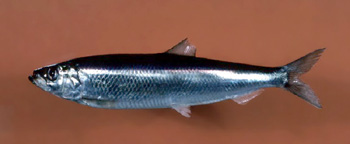
Atlantic Herring
Clupea harengus
Identify Atlantic Herring (Clupea harengus) from a photo: try it free in your browser, or get unlimited IDs, no sign-up, with the CatchRules app. Plus current fishing rules across 11 jurisdictions.
At a glance
Atlantic Herring (Clupea harengus) is an IUCN Least Concern bony-fish species regulated in 13 of 66 jurisdictions tracked by CatchRules across the U.S. and Canada.
The strictest bag limit is 10 (Washington); the most generous is 500 (Alaska).
Confirmed by 248 research-grade iNaturalist observations, with Massachusetts, Maine, and Nova Scotia the top jurisdictions by observation count.
Notable details
- Atlantic herring are among the most abundant fish on Earth, with populations numbering in the hundreds of billions.
- Schools can span several square miles and contain millions of individual fish.
- They produce rapid, high-frequency sounds by releasing gas bubbles through the anal duct, thought to coordinate schooling.
- Atlantic herring can live up to 25 years.
- Adults typically reach 12 to 16 inches and are a critical prey base for whales, seabirds, tuna, and cod.
Where Atlantic Herring are seen
Jurisdictions with rules for Atlantic Herring
Background
Atlantic herring (Clupea harengus) is a herring in the family Clupeidae. It is one of the most abundant fish species in the world. Atlantic herrings can be found on both sides of the Atlantic Ocean, congregating in large schools. They can grow up to 45 centimetres (18 in) in length and weigh up to 1.1 kilograms (2.4 lb). They feed on copepods, krill and small fish, while their natural predators…
Background excerpt adapted from Wikipedia's Atlantic Herring article (CC BY-SA). Visit Wikipedia for the full entry.
Other bony fish on CatchRules
Frequently asked questions
What is Atlantic Herring?
Atlantic Herring (Clupea harengus) is an IUCN Least Concern bony-fish species regulated in 13 of 66 jurisdictions tracked by CatchRules across the U.S. and Canada.
What is the scientific name for Atlantic Herring?
Atlantic Herring is Clupea harengus.
Is Atlantic Herring regulated for fishing?
Yes — Atlantic Herring has fishing regulations in 11 U.S. states and/or Canadian provinces tracked by CatchRules. See the "Jurisdictions with rules" section above for the binding-source links.
How can I identify Atlantic Herring?
Take a photo with the free CatchRules app for iPhone or Android — on-device identification recognizes Atlantic Herring along with ~1,500 other species. No sign-up, unlimited use.
Photo credit: iNaturalist / Wikipedia. Identification reference only — verify regulations with the issuing wildlife agency before retaining a catch.