
Species profile
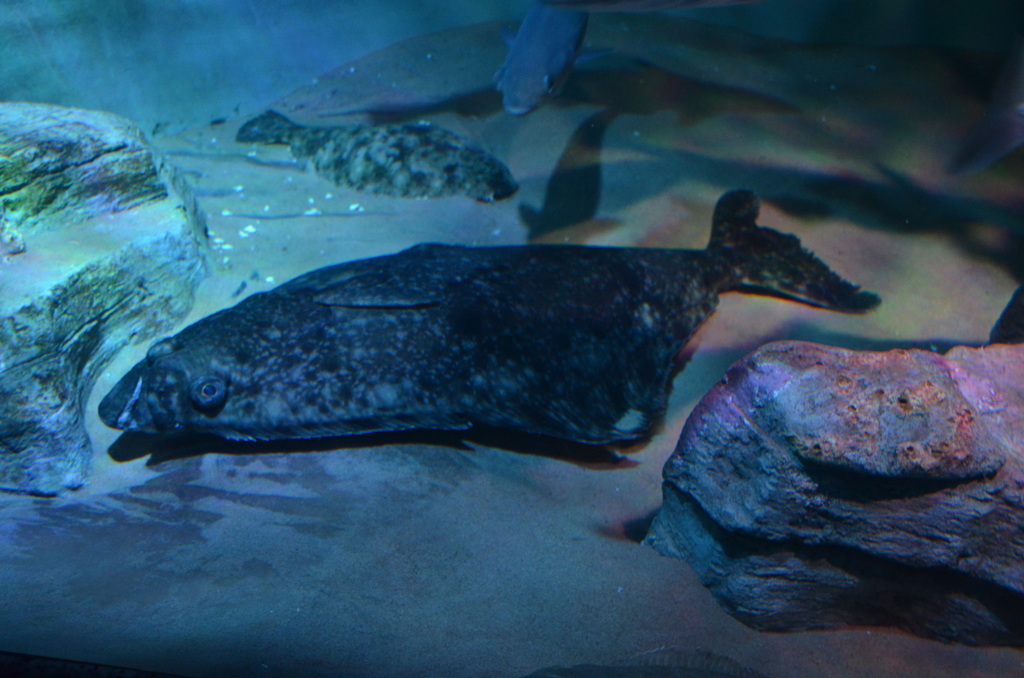
Atlantic Halibut
Hippoglossus hippoglossus
Identify Atlantic Halibut (Hippoglossus hippoglossus) from a photo: try it free in your browser, or get unlimited IDs, no sign-up, with the CatchRules app. Plus current fishing rules across 7 jurisdictions.
At a glance
Atlantic Halibut (Hippoglossus hippoglossus) is an IUCN Endangered bony-fish species regulated in 10 of 66 jurisdictions tracked by CatchRules across the U.S. and Canada.
The strictest bag limit is 1 (Federal Waters (DFO)); the most generous is 3 (Federal Waters (DFO)).
Across 3 jurisdictions with stated minimum sizes, the average minimum is 41.0 in (≈ 3 ft 5 in).
Confirmed by 15 research-grade iNaturalist observations, with Quebec, Maine, and Prince Edward Island the top jurisdictions by observation count.
Notable details
- The world's largest flatfish — record specimens exceed 8 feet (2.5 m) and 700 pounds (315 kg).
- Can live over 50 years, with females growing significantly larger than males.
- Born with one eye on each side of the head; the left eye migrates to join the right side during development.
- A powerful predator that actively hunts cod, herring, sand lance, and other flatfish.
- Females take at least 10 years to reach sexual maturity, making populations slow to recover from overfishing.
Where Atlantic Halibut are seen
Jurisdictions with rules for Atlantic Halibut
Background
The Atlantic halibut is a flatfish of the family Pleuronectidae. They are demersal fish living on or near sand, gravel or clay bottoms at depths of between 50 and 2,000 m. The halibut is among the largest teleost (bony) fish in the world, and is a threatened species owing to a slow rate of growth and overfishing. Halibut are strong swimmers and are able to migrate long distances. Halibut size is…
Background excerpt adapted from Wikipedia's Atlantic Halibut article (CC BY-SA). Visit Wikipedia for the full entry.
Other bony fish on CatchRules
Frequently asked questions
What is Atlantic Halibut?
Atlantic Halibut (Hippoglossus hippoglossus) is an IUCN Endangered bony-fish species regulated in 10 of 66 jurisdictions tracked by CatchRules across the U.S. and Canada.
What is the scientific name for Atlantic Halibut?
Atlantic Halibut is Hippoglossus hippoglossus.
Is Atlantic Halibut regulated for fishing?
Yes — Atlantic Halibut has fishing regulations in 7 U.S. states and/or Canadian provinces tracked by CatchRules. See the "Jurisdictions with rules" section above for the binding-source links.
How can I identify Atlantic Halibut?
Take a photo with the free CatchRules app for iPhone or Android — on-device identification recognizes Atlantic Halibut along with ~1,500 other species. No sign-up, unlimited use.
Photo credit: iNaturalist / Wikipedia. Identification reference only — verify regulations with the issuing wildlife agency before retaining a catch.