
Species profile
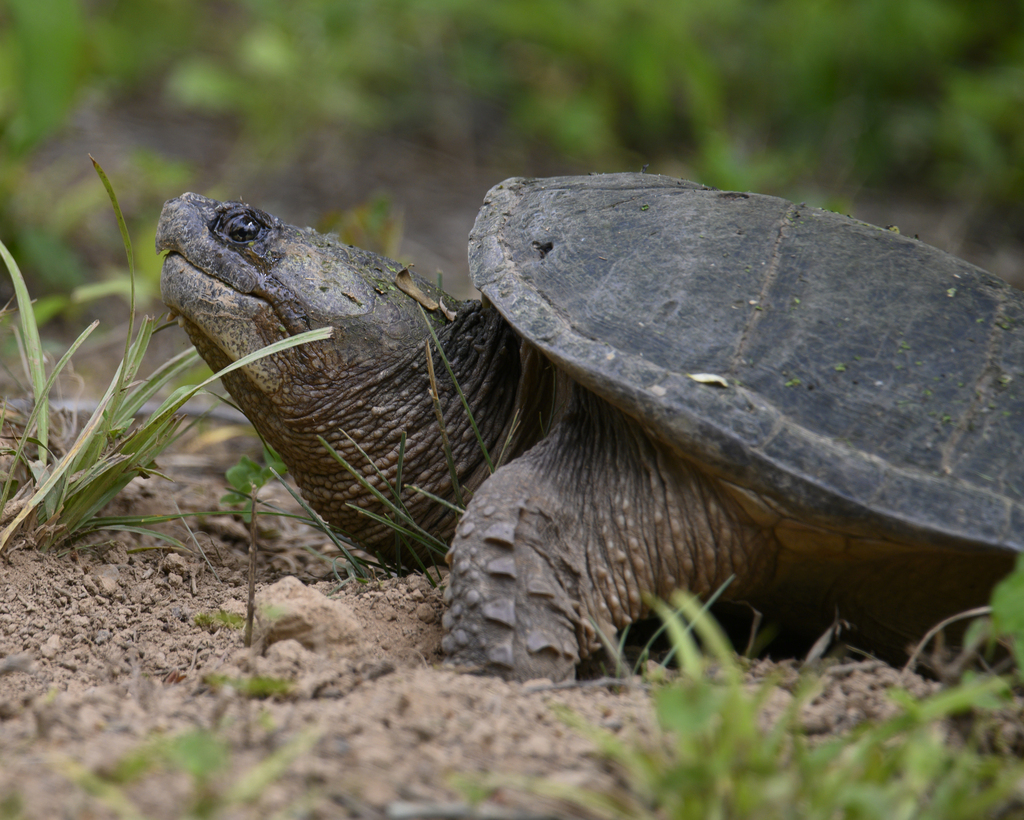
Snapping Turtle
Chelydra serpentina
Identify Snapping Turtle (Chelydra serpentina) from a photo: try it free in your browser, or get unlimited IDs, no sign-up, with the CatchRules app. Plus current fishing rules across 10 jurisdictions.
At a glance
Snapping Turtle (Chelydra serpentina) is an IUCN Least Concern freshwater turtles regulated in 16 of 66 jurisdictions tracked by CatchRules across the U.S. and Canada.
The strictest bag limit is 1 (North Dakota); the most generous is 15 (Pennsylvania).
Across 6 jurisdictions with stated minimum sizes, the average minimum is 12.0 in.
Confirmed by 102,887 research-grade iNaturalist observations, with Ontario, Texas, and New York the top jurisdictions by observation count.
Notable details
- Unlike most turtles, snapping turtles cannot fully retract into their shell.
- Adults typically weigh 10–35 pounds, with some individuals exceeding 70 pounds.
- True omnivores — they eat plants, fish, frogs, birds, and carrion.
- Females may travel up to a mile overland from water to find a nesting site.
- Their neck can lunge forward nearly the full length of their shell to snap.
Where Snapping Turtle are seen
Jurisdictions with rules for Snapping Turtle
Background
The common snapping turtle (Chelydra serpentina) is a large freshwater turtle of the family Chelydridae. Its natural range extends from southeastern Canada, southwest to the edge of the Rocky Mountains, as far east as Nova Scotia and Florida. This species and the larger alligator snapping turtles are the only Macrochelys species in this family found in North America (though the common snapping…
Background excerpt adapted from Wikipedia's Snapping Turtle article (CC BY-SA). Visit Wikipedia for the full entry.
Frequently asked questions
What is Snapping Turtle?
Snapping Turtle (Chelydra serpentina) is an IUCN Least Concern freshwater turtles regulated in 16 of 66 jurisdictions tracked by CatchRules across the U.S. and Canada.
What is the scientific name for Snapping Turtle?
Snapping Turtle is Chelydra serpentina.
Is Snapping Turtle regulated for fishing?
Yes — Snapping Turtle has fishing regulations in 10 U.S. states and/or Canadian provinces tracked by CatchRules. See the "Jurisdictions with rules" section above for the binding-source links.
How can I identify Snapping Turtle?
Take a photo with the free CatchRules app for iPhone or Android — on-device identification recognizes Snapping Turtle along with ~1,500 other species. No sign-up, unlimited use.
Photo credit: iNaturalist / Wikipedia. Identification reference only — verify regulations with the issuing wildlife agency before retaining a catch.