
Species profile
Pacific Cod
Gadus macrocephalus
Identify Pacific Cod (Gadus macrocephalus) from a photo: try it free in your browser, or get unlimited IDs, no sign-up, with the CatchRules app. Plus current fishing rules across 6 jurisdictions.
At a glance
Pacific Cod (Gadus macrocephalus) is a bony-fish species regulated in 10 of 66 jurisdictions tracked by CatchRules across the U.S. and Canada.
The strictest bag limit is 1 (Massachusetts); the most generous is 20 (California).
Confirmed by 222 research-grade iNaturalist observations, with Alaska, British Columbia, and Washington the top jurisdictions by observation count.
Notable details
- Can reach nearly 4 feet in length and weigh over 40 pounds at maximum.
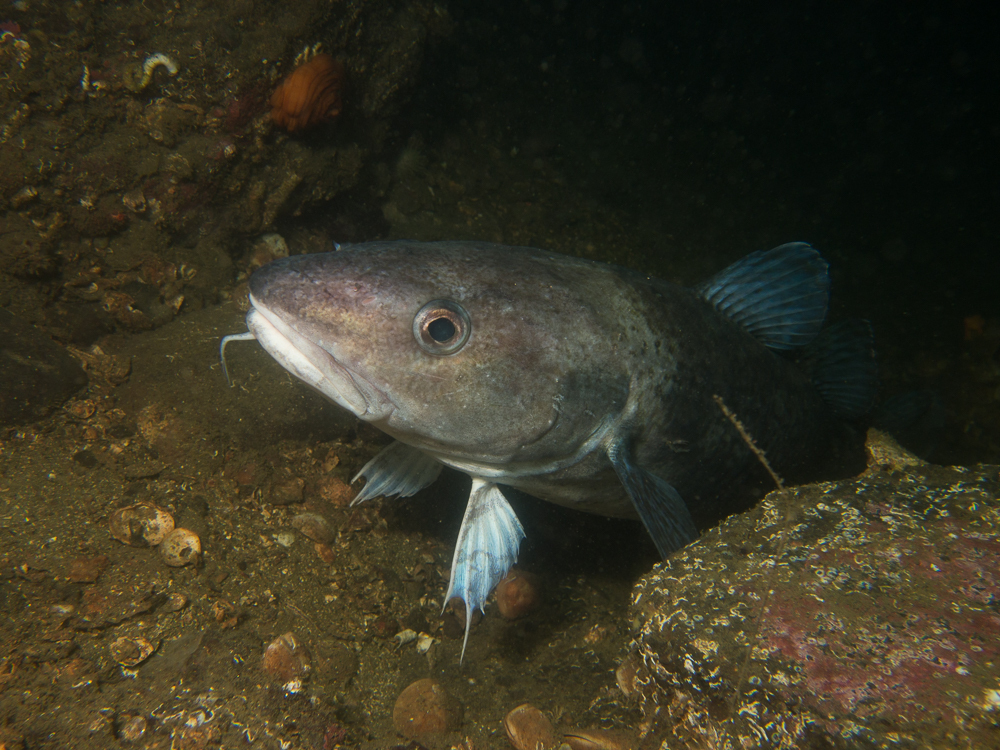
- A fleshy chin barbel helps it detect prey buried in the seafloor.
- Lives up to about 18 years in cold North Pacific waters.
- One of the world's most commercially harvested fish, caught from Alaska to California.
- Mild, flaky white flesh makes it prized for fish and chips worldwide.
Where Pacific Cod are seen
Jurisdictions with rules for Pacific Cod
Background
The Pacific cod, Gadus macrocephalus, is a species of ray-finned fish in the family Gadidae. It is a bottom-dwelling fish found in the northwestern Pacific Ocean, mainly on the continental shelf and upper slopes, to depths of about 900 m (3,000 ft). It can grow to a length of a meter or so and is found in large schools. It is an important commercial food species and is also known as gray cod or…
Background excerpt adapted from Wikipedia's Pacific Cod article (CC BY-SA). Visit Wikipedia for the full entry.
Other bony fish on CatchRules
Frequently asked questions
What is Pacific Cod?
Pacific Cod (Gadus macrocephalus) is a bony-fish species regulated in 10 of 66 jurisdictions tracked by CatchRules across the U.S. and Canada.
What is the scientific name for Pacific Cod?
Pacific Cod is Gadus macrocephalus.
Is Pacific Cod regulated for fishing?
Yes — Pacific Cod has fishing regulations in 6 U.S. states and/or Canadian provinces tracked by CatchRules. See the "Jurisdictions with rules" section above for the binding-source links.
How can I identify Pacific Cod?
Take a photo with the free CatchRules app for iPhone or Android — on-device identification recognizes Pacific Cod along with ~1,500 other species. No sign-up, unlimited use.
Photo credit: iNaturalist / Wikipedia. Identification reference only — verify regulations with the issuing wildlife agency before retaining a catch.