
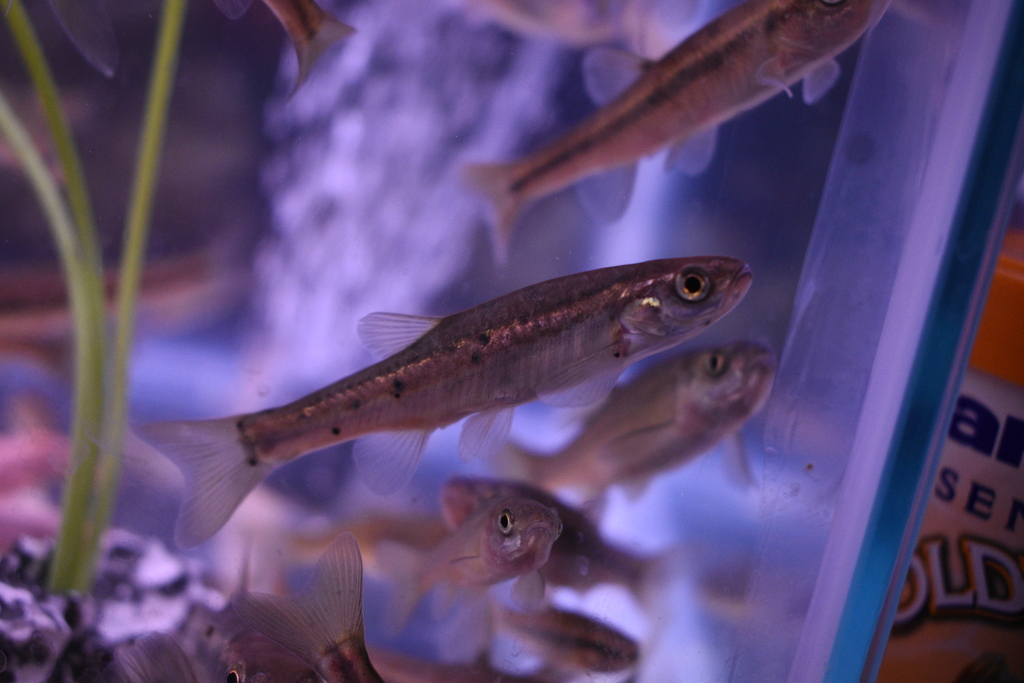
Species profile
Northern Redbelly Dace
Chrosomus eos
Identify Northern Redbelly Dace (Chrosomus eos) from a photo: try it free in your browser, or get unlimited IDs, no sign-up, with the CatchRules app. Plus current fishing rules across 1 jurisdiction.
At a glance
Northern Redbelly Dace (Chrosomus eos) is an IUCN Least Concern bony-fish species regulated in 2 of 66 jurisdictions tracked by CatchRules across the U.S. and Canada.
Confirmed by 1,261 research-grade iNaturalist observations, with Ontario, Quebec, and Minnesota the top jurisdictions by observation count.
Notable details
- Males develop vivid red-orange bellies during the spring spawning season.
- This small minnow rarely exceeds 3 inches in length.
- Northern redbelly dace survive in cold, acidic bog pools that most fish avoid.
- They range from the Rocky Mountains east to Atlantic Canada.
- They feed on algae, diatoms, and tiny aquatic invertebrates.
Where Northern Redbelly Dace are seen
Jurisdictions with rules for Northern Redbelly Dace
Background
The northern redbelly dace (Chrosomus eos) is a freshwater cyprinid fish, generally found in lakes and small streams in the northeastern United States and eastern Canada. It is one of forty-four species from the minnow and carp family of Cyprinidae in these areas.
Background excerpt adapted from Wikipedia's Northern Redbelly Dace article (CC BY-SA). Visit Wikipedia for the full entry.
Other bony fish on CatchRules
Frequently asked questions
What is Northern Redbelly Dace?
Northern Redbelly Dace (Chrosomus eos) is an IUCN Least Concern bony-fish species regulated in 2 of 66 jurisdictions tracked by CatchRules across the U.S. and Canada.
What is the scientific name for Northern Redbelly Dace?
Northern Redbelly Dace is Chrosomus eos.
Is Northern Redbelly Dace regulated for fishing?
Yes — Northern Redbelly Dace has fishing regulations in 1 U.S. state and/or Canadian province tracked by CatchRules. See the "Jurisdictions with rules" section above for the binding-source links.
How can I identify Northern Redbelly Dace?
Take a photo with the free CatchRules app for iPhone or Android — on-device identification recognizes Northern Redbelly Dace along with ~1,500 other species. No sign-up, unlimited use.
Photo credit: iNaturalist / Wikipedia. Identification reference only — verify regulations with the issuing wildlife agency before retaining a catch.