
Species profile
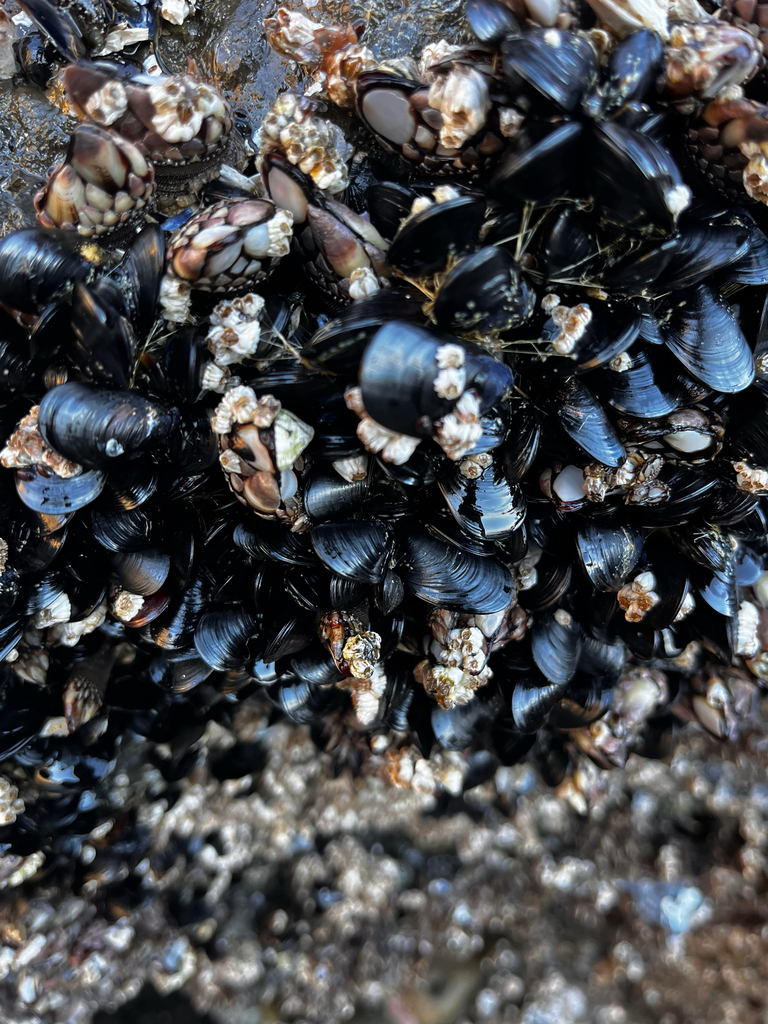
Bay Mussel
Mytilus trossulus
Identify Bay Mussel (Mytilus trossulus) from a photo: try it free in your browser, or get unlimited IDs, no sign-up, with the CatchRules app. Plus current fishing rules across 1 jurisdiction.
At a glance
Bay Mussel (Mytilus trossulus) is a bivalve mollusk with specific harvest rules tracked in 1 of 66 jurisdictions covered by CatchRules.
Confirmed by 1,012 research-grade iNaturalist observations, with Alaska, British Columbia, and Oregon the top jurisdictions by observation count.
Notable details
- Found from Alaska to Baja California, often forming dense colonies on rocky shores.
- Anchors itself to rocks and pilings using strong protein fibers called byssal threads.
- A filter feeder that strains plankton and particles from the water column.
- Smaller on average than the closely related Atlantic blue mussel (Mytilus edulis).
- Tolerates lower salinities than many mussels, thriving in estuaries and protected bays.
Where Bay Mussel are seen
Jurisdictions with rules for Bay Mussel
Background
Mytilus trossulus, the bay mussel or foolish mussel, is a medium-sized edible marine bivalve mollusc in the family Mytilidae.
Background excerpt adapted from Wikipedia's Bay Mussel article (CC BY-SA). Visit Wikipedia for the full entry.
Other clams/oysters/mussels on CatchRules
Frequently asked questions
What is Bay Mussel?
Bay Mussel (Mytilus trossulus) is a bivalve mollusk with specific harvest rules tracked in 1 of 66 jurisdictions covered by CatchRules.
What is the scientific name for Bay Mussel?
Bay Mussel is Mytilus trossulus.
Is Bay Mussel regulated for fishing?
Yes — Bay Mussel has fishing regulations in 1 U.S. state and/or Canadian province tracked by CatchRules. See the "Jurisdictions with rules" section above for the binding-source links.
How can I identify Bay Mussel?
Take a photo with the free CatchRules app for iPhone or Android — on-device identification recognizes Bay Mussel along with ~1,500 other species. No sign-up, unlimited use.
Photo credit: iNaturalist / Wikipedia. Identification reference only — verify regulations with the issuing wildlife agency before retaining a catch.