
Species profile
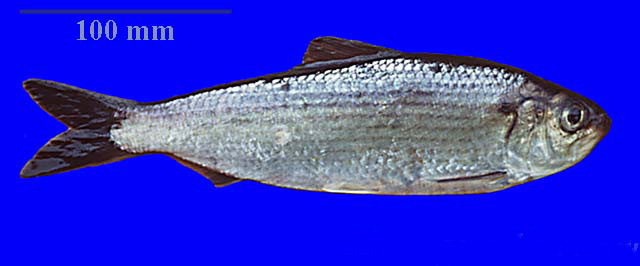
Alewife
Alosa pseudoharengus
Identify Alewife (Alosa pseudoharengus) from a photo: try it free in your browser, or get unlimited IDs, no sign-up, with the CatchRules app. Plus current fishing rules across 10 jurisdictions.
At a glance
Alewife (Alosa pseudoharengus) is an IUCN Least Concern bony-fish species regulated in 13 of 66 jurisdictions tracked by CatchRules across the U.S. and Canada.
The strictest bag limit is 1 (New Hampshire); the most generous is 50 (New York).
Confirmed by 1,427 research-grade iNaturalist observations, with Ontario, Wisconsin, and Michigan the top jurisdictions by observation count.
Notable details
- Alewife are anadromous, migrating from the ocean into freshwater rivers each spring to spawn.
- They are a critical forage fish for striped bass, bluefish, and Atlantic bluefin tuna.
- Alewife spread through the Great Lakes via shipping canals and caused major ecological disruptions in the 1950s.
- Adults typically measure 9 to 12 inches and weigh under half a pound.
- Their unusually large eyes relative to head size help them see in dim, deep water.
Where Alewife are seen
Jurisdictions with rules for Alewife
Background
The alewife (Alosa pseudoharengus) is an anadromous species of herring found in North America. It is one of the "typical" North American shads, attributed to the subgenus Pomolobus of the genus Alosa. As an adult it is a marine species found in the northern West Atlantic Ocean, moving into estuaries before swimming upstream to breed in fresh water habitats, but some populations live entirely in…
Background excerpt adapted from Wikipedia's Alewife article (CC BY-SA). Visit Wikipedia for the full entry.
Other bony fish on CatchRules
Frequently asked questions
What is Alewife?
Alewife (Alosa pseudoharengus) is an IUCN Least Concern bony-fish species regulated in 13 of 66 jurisdictions tracked by CatchRules across the U.S. and Canada.
What is the scientific name for Alewife?
Alewife is Alosa pseudoharengus.
Is Alewife regulated for fishing?
Yes — Alewife has fishing regulations in 10 U.S. states and/or Canadian provinces tracked by CatchRules. See the "Jurisdictions with rules" section above for the binding-source links.
How can I identify Alewife?
Take a photo with the free CatchRules app for iPhone or Android — on-device identification recognizes Alewife along with ~1,500 other species. No sign-up, unlimited use.
Photo credit: iNaturalist / Wikipedia. Identification reference only — verify regulations with the issuing wildlife agency before retaining a catch.